









From NASA To Mountain Dew: The Greatest (And Funniest) Crowdsourced Naming Fails
From Boaty McBoatface to The Fred Durst Society of the Humanities and Arts – don’t ask the public to name things.
Creating decent names for things can be tricky and fraught with danger. So why not outsource it to the general public? In the modern age, getting vast numbers of people to voice opinions or come up with ideas for names has never been easier.
Asking the internet for help seems like a good idea. You get free publicity, increased brand awareness, and hopefully, a catchy name that already has the public’s approval. What can go wrong?
Well, quite a lot. This is a lesson that numerous companies and organisations have found out the hard way, often with hilarious results. It is a bad idea that’s one online joker away from a publicity nightmare.
There are probably hundreds or more cases where it has gone wrong – often brilliantly – but here are some of the best.
Boaty McBoatface – The Royal Research Ship
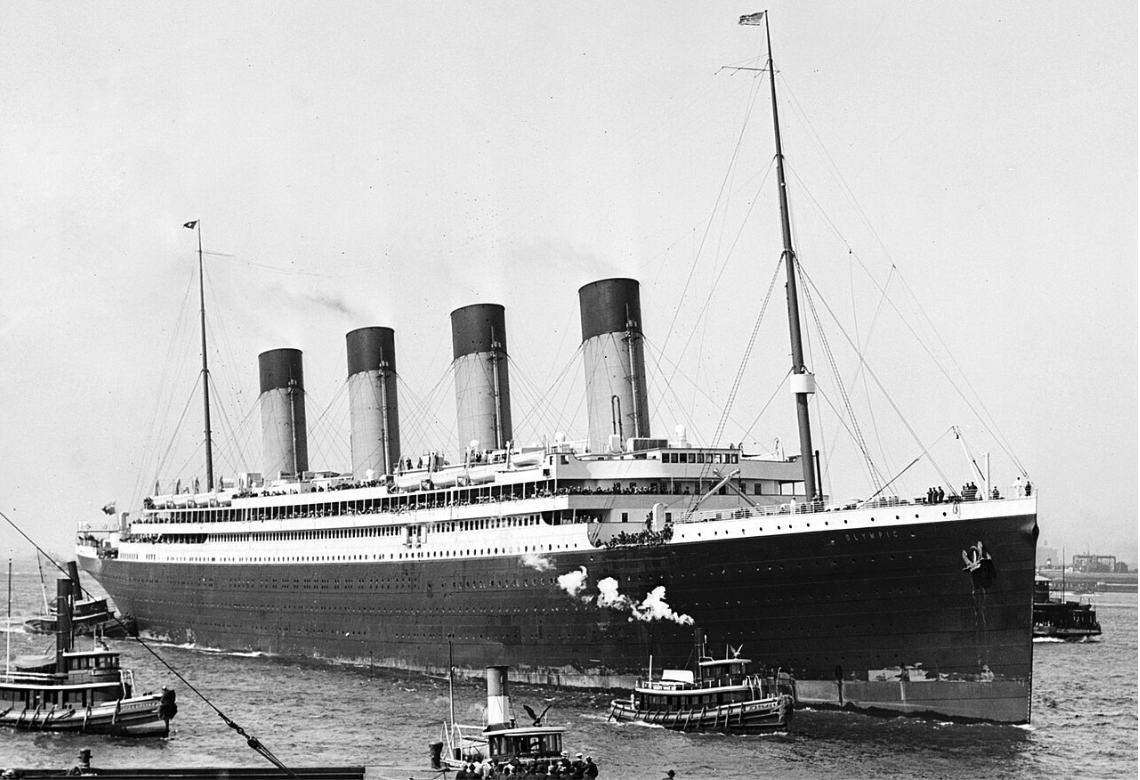
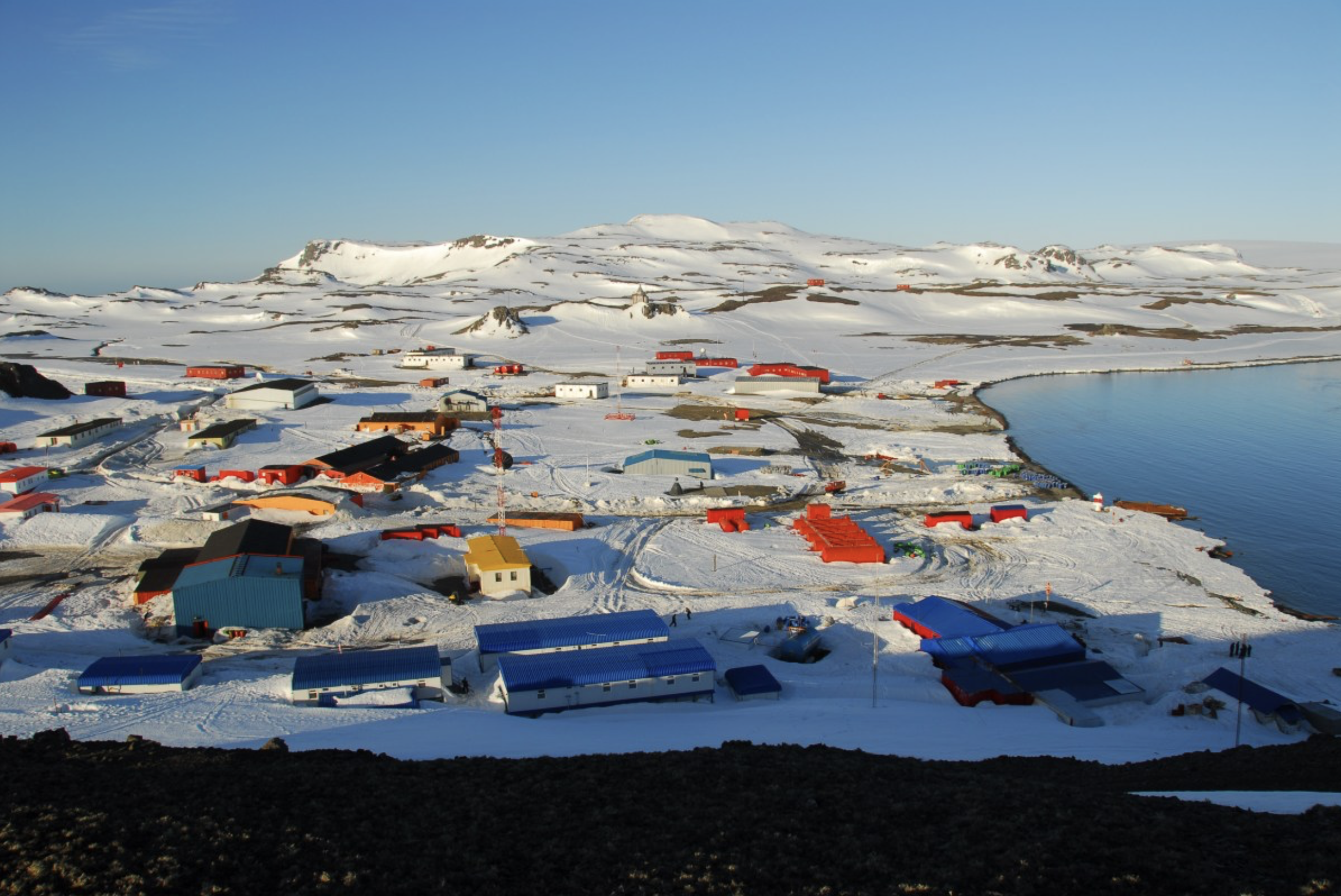
In the UK, the Natural Environment Research Council (NERC) deemed it a good idea to let the public choose a name for its new polar research ship. The response was… creative. The British public replied with over 7,000 entries, including the RRS Capt’n Birdseye Get Off My Cod and the brilliant (if you’re a certain age) RRS I Like Big Boats & I Cannot Lie.
But a winner was found when a former BBC radio presenter came up with RRS Boaty McBoatface. This was a name that everyone rallied around and nominated. With a final tally of 124,109 votes, it was 90,000 votes ahead of all other options.
As this was a Royal Research Ship, the powers that be decided it was a tad undignified to call it by such a ridiculous moniker. Abandoning the idea of a crowdsourced name, the NERC went for the fifth-place entry, the RRS David Attenborough. This option had come in with 10,284 votes, a few behind the fourth-place entry, the RRS It’s bloody cold here.
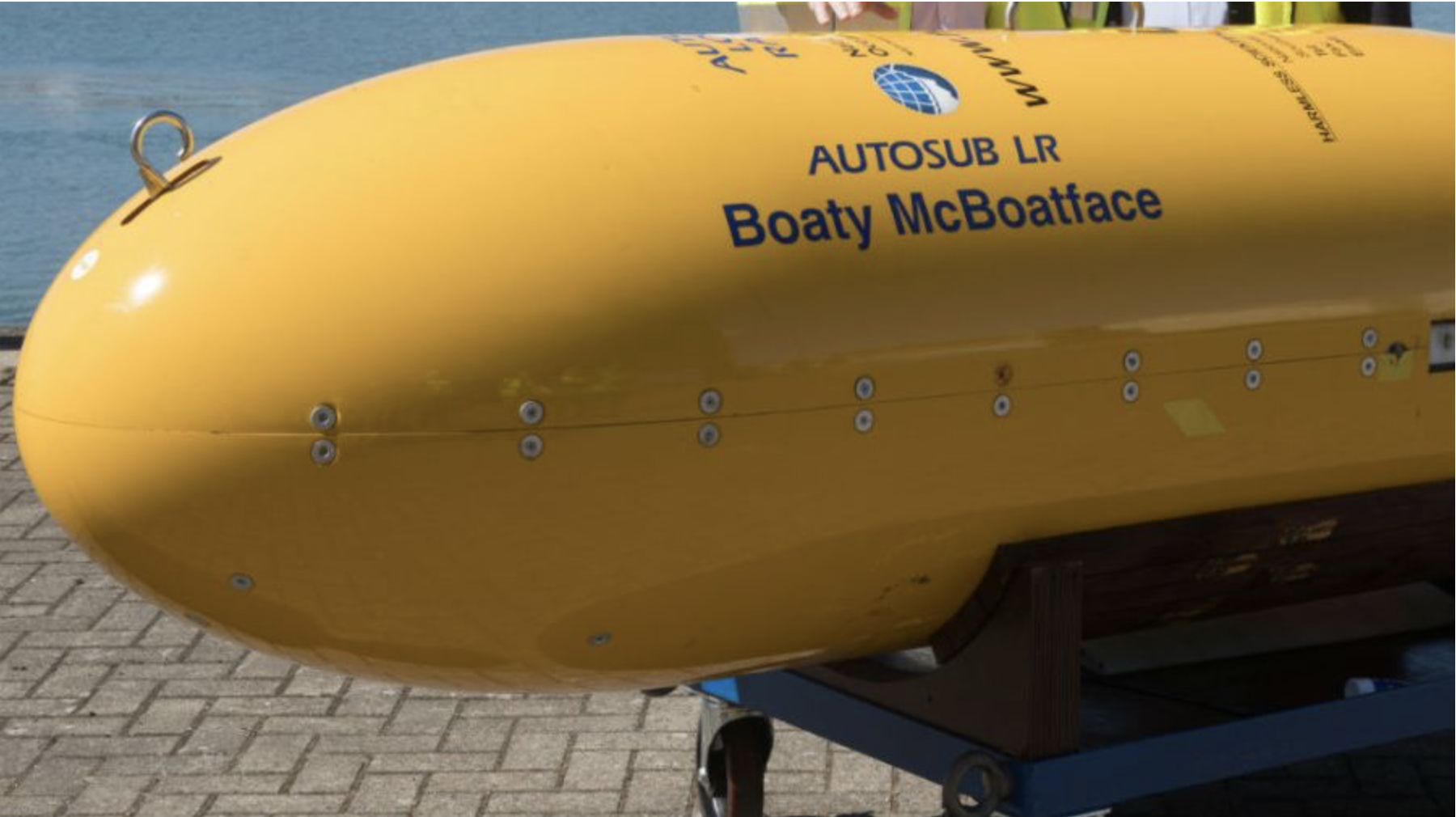
However, it wasn’t a complete waste of time. The RRS David Attenborough is now at sea, and its lead auto sub long-range autonomous vehicle is called — Boaty McBoatface.
Greenpeace lets the public pick a name for a whale
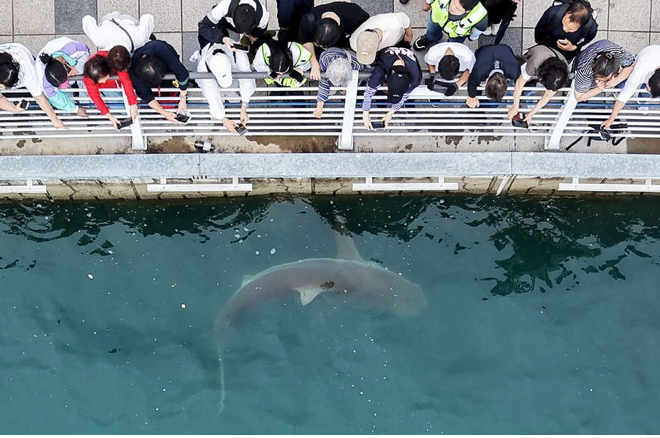
Sticking with the nautical theme, let’s shift to the South Pacific Ocean. In 2007, Greenpeace was tracking humpback whales to highlight awareness of the threat to the species by Japanese whalers. They unwisely decided to let the internet choose a name for one of the whales.
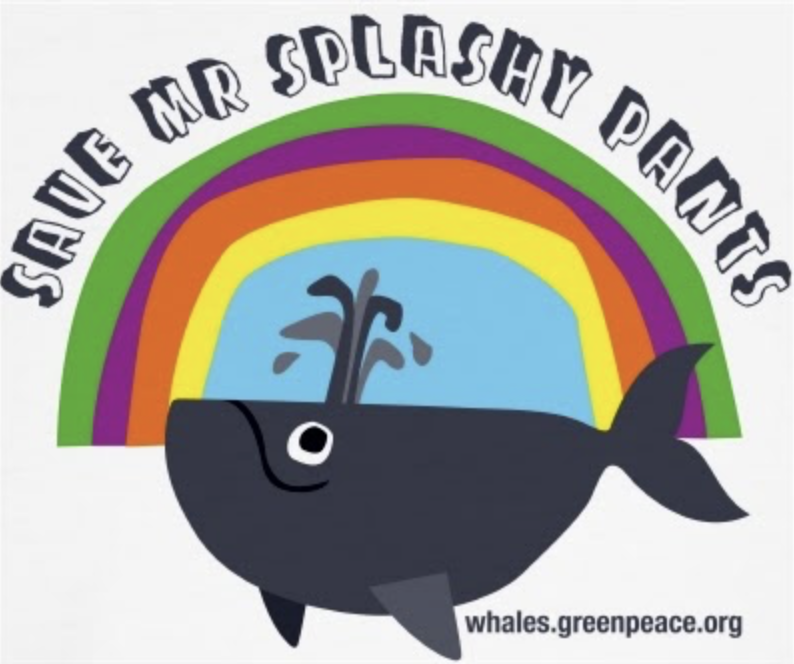
They wisely restricted the choice to 30 selections and limited everyone to one vote each. Unwisely, one of those selections was the joke name ‘Mister Splashy Pants’. Someone in Arizona found a way to disable cookies, bypassing the one-vote system. They then proceeded to place 120 votes a minute for Mister Splashy Pants.
This continued for 38 minutes before it was discovered and stopped, and the votes were removed. However, various internet chatrooms noted the surge up the charts, and voting for Mister Splashy Pants rocketed once again. Reddit took the vote so seriously that it even changed its logo to a Mister Splashy Pants logo.
The name was a clear winner, receiving 119,367 votes, a whopping 78% of all votes cast. Although Greenpeace was initially reluctant, it honoured the idea and named the whale Mister Splashy Pants. This turned out well, as all the publicity resulted in the Japanese government abandoning its hunt.
Canadian ferry potentially called S.S. ShouldveBeenABridge
In British Columbia, Canada, a company called BC Ferries had three new vessels and asked their customers to come up with something good for their launch. Incredibly predictably, things went delightfully wrong.
The error stemmed from the company’s failure to factor in that the locals were annoyed with them. The line had been experiencing some tough times, so it had cut senior discounts, stopped serving some of the smaller communities, and threatened a ticket price rise of up to 80%. The people were not happy.
Consequently, among the top crowdsourced votes were ‘Spirit of the WalletSucker’, ‘Incompetence Afloat’, and ‘S.S. ShouldveBeenABridge’. The ferry company then hastily pointed out all the votes were advisory and chose three different options.
The Fred Durst Society of the Humanities and Arts
When Austin, Texas, decided it needed a nicer name for its ‘Solid Waste Services Department’—aka dump—it asked the internet. It set up a poll on the Austin community website forum and let the good people of the city decide and vote on some names.
The options they came up with included: ‘The Ministry of Filth’, ‘Waste not, want not’, ‘The Department of Neat and Clean’ and ‘Hufflepuff’. Which are all good choices. The name that started to pull ahead of the others, however, was ‘The Fred Durst Society of the Humanities and Arts’.
In case you’re unfamiliar with the gentleman, Fred Durst was the lead singer of the band Limp Bizkit, responsible for classics such as ‘Chocolate Starfish and the Hotdog Flavored Water’. It seemed like a good match and once it became popular on the internet, even Fred Durst himself endorsed the idea.
Sadly, like many others featured in this piece, Austin decided to take a different approach and chose the much less catchy ‘Austin Resource Recovery’.
Even NASA tried crowdsourced naming
In 2009, NASA planned to send up a new node for the International Space Station, and needed a name. Being a fearless (but usually quite intelligent) group, they chose to let average humans have a go at naming it.
NASA gave some helpful suggestions for the kind of vibe they were hoping for, such as Serenity, Legacy, Earthrise and Venture. Or people could, you know, pick one of their own.
Stephen Colbert, whose ‘Colbert Report’ was immensely popular then, suggested his audience pick his name. And they did, with ‘Colbert’ winning by more than 40,000 votes.
It could have been a lot worse (see all the above), but the name wasn’t an ideal fit for NASA. However, they were pretty cool about it and sent astronaut Suni Williams to appear on the show.
Williams explained that the node would now be called Tranquility. However, she added that a treadmill called the Combined Operational Load Bearing External Resistance Treadmill – or C.O.L.B.E.R.T. – was also being sent up. Stephen Colbert was delighted.
Finally, the ‘Dub the Dew’ fiasco
When Mountain Dew invented a new drink described as ‘Classic Mountain Dew with green apple attitude,’ someone on the marketing team thought it would be brilliant publicity to let the masses name the drink. The drink did get considerable attention, but not the kind they had hoped for. In fact, the campaign went so wrong that it had to be shut down.
Like so many others, the initial mistake was to let readers and voters choose anything they wanted. Again, pranksters on boards like Reddit and 4Chan stepped up to the challenge. Early contenders included ‘Gushing Granny’, ‘Fapple’, and ‘Diabeetus’. All were pretty unfortunate options, but the winner was even worse.
The plug was pulled when the number one choice was ‘Hitler did nothing wrong’. There was no way to get around it or somehow incorporate it as other campaigns had done. As a result, rather unimaginatively, the drink was called ‘Apple Mountain Dew’.
The lesson learned here is obvious: Don’t trust the public.
Yet, as the above stories about crowdsourced fun have shown, it is a lesson that is bafflingly ignored time and time again. These are just the better-known examples, and there are many more out there. Sadly, they are unlikely to be the last.