










Surviving Antarctica: The Fascinating Reason Residents Of Villa Las Estrellas Remove Their Appendixes
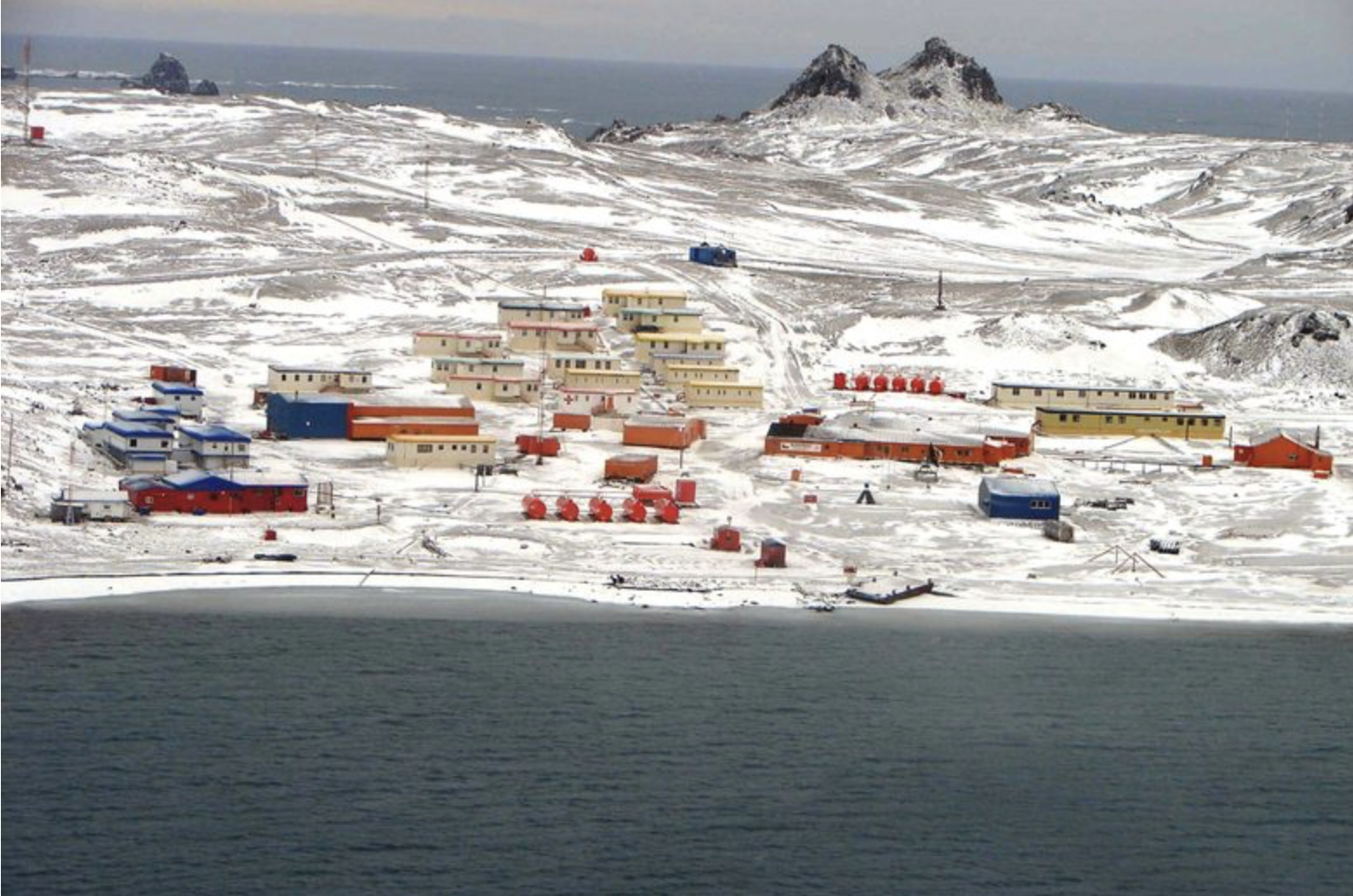
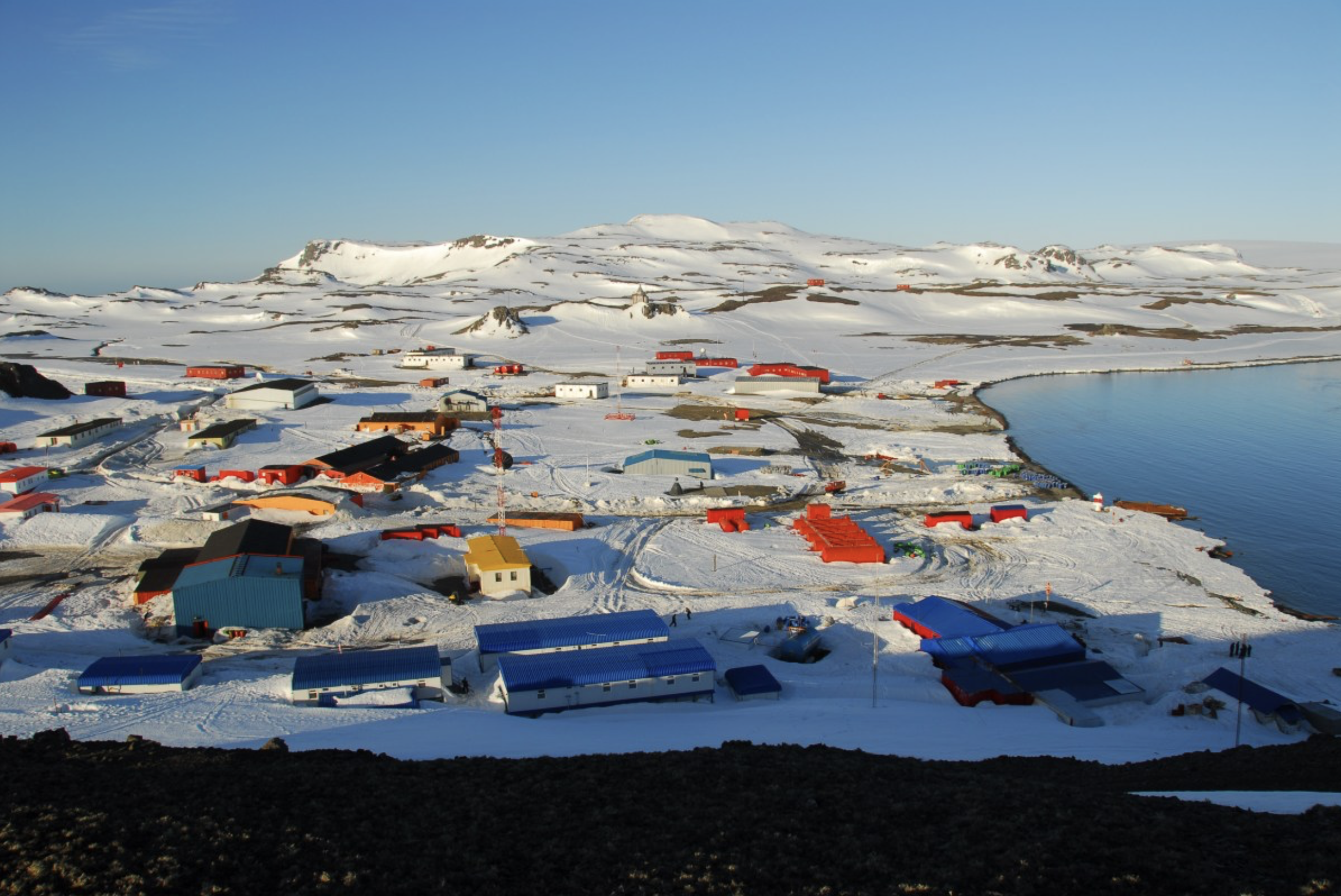
The small settlement of Villa Las Estrellas is one of the few settlements in Antarctica where people live for more than a couple of months. However, to live there long-term, you and your family may need to have your appendixes removed first.
It seems like a slightly random stipulation, but it actually makes a lot of sense. Other settlements in Antarctica have similar medical precautions, and a large part of why is due to the amazing and harrowing story of Leonid Rogozov. It is also likely to become an even more serious consideration for future explorers.
Where is Villa Las Estrellas?
We’re talking remote here. Villa Las Estrellas is a small settlement on King George Island, off the Antarctic Peninsula. There are only around 100 or so people stationed there, although the population varies depending on the season, and quite a few of them are scientists on rotation.
However, it is also a base for the Chilean military, who might be posted there for longer. There has been a school, a bank, a souvenir shop and even a small Catholic church. It sounds charming, if a little chilly, but there is a major catch. Long-term residents have been reported to need their appendix removed first, and that can include their children.
There is a fairly obvious and logical reason for this. Although the settlement does have a small medical facility, there are usually only one or two doctors, and they are not necessarily going to be surgeons. The nearest hospital is hundreds of miles away and not particularly easy to reach. If you get appendicitis there, it could become life-threatening.
It is not just Villa Las Estrellas that has appendix-related rules. However, most bases in Antarctica do not insist on everyone having their appendix out, just a few. The Australians have bases on the continent and, according to their official website:
“[D]octors who are wintering at Australian Antarctic stations are required to have their appendix removed. This is because there is usually only one doctor on station during winter, and evacuation back to medical care in Australia is impossible for at least part of the year. The requirement dates from the 1950s, when an Australian Antarctic doctor developed appendicitis on Heard Island and required a very challenging evacuation back to Australia.”
So, was it an Australian’s evacuation troubles that caused the appendix rule at Villa Las Estrellas? Possibly. It would certainly be cause for alarm. But the most famous example of why appendicitis is such a serious issue in Antarctica is the harrowing tale of Leonid Rogozov. It is an amazing story.
Who was Leonid Rogozov, and what happened?
Leonid Rogozov was a Russian surgeon who, in 1961, participated in the sixth Soviet Antarctic expedition. You can probably already guess where this is going.
Rogozov and his team were there to set up a new base called Novolazarevskaya Station. By February, the job was done, and they all settled in for the coming winter. Unfortunately, as they approached the end of April, Rogozov started to feel weak and nauseous, and a sharp pain developed on the lower right side of his abdomen.
Being a talented surgeon, Rogozov had no problem diagnosing the issue: acute appendicitis, a condition that was pretty straightforward and required a routine operation. He had performed this surgery many times himself. The only problem was that this had not really been planned for, and he was the only surgeon on the team. It had taken them weeks to get there, the ship was not due back for months, and blizzards meant no planes. There was no help coming.
Rogozov knew that if the appendix burst, he could die. By the end of April, his symptoms had worsened, and he knew he had no choice. He was going to have to operate on himself.
There were numerous problems. He was obviously not able to use a general anaesthetic. A local anaesthetic could be administered, but once he had cut through the abdominal wall, it was going to hurt a lot, and he did not dare use any kind of strong pain relief. He was going to need a clear head.
He enlisted two men as assistants to hand him instruments and hold lamps and mirrors so he could see, and he set to work. The station director was also there, just in case one of the assistants passed out. Rogozov would be cutting open his own abdomen and removing his own appendix. It was not going to be pretty, and no one knew if it was even possible. As he wrote later:
“I was scared too. But when I picked up the needle with the novocaine and gave myself the first injection, somehow I automatically switched into operating mode, and from that point on I didn’t notice anything else.”
In the end, he found the mirror’s inverted images too confusing, and so he operated largely by touch. There was a lot of blood, and whenever he felt close to passing out, he was forced to take a break. One of his assistants was on standby with a shot of adrenaline in case he began to lose consciousness, but fortunately, it was not needed.
It took around two hours, but finally, he succeeded. Rogozov later reported that the appendix was badly inflamed and close to perforation. Incredibly, he then supervised his assistants as they cleaned the instruments and the room. It was only after they had finished that he took antibiotics and sleeping tablets and had a well-deserved rest.
Two weeks later, like the professional he was, Leonid Rogozov was back at work.
The consequences are still with us
From that point on, the possibility of appendicitis has understandably become an issue for Antarctic explorers. If you are planning to stay in a settlement such as Villa Las Estrellas, it might still be necessary to have it removed, especially for long-term residents. Other bases either opt for more than one doctor, or require the doctor staying over winter to have already had their appendix removed.
Further implications have rippled down. Many stations require prior dental visits to check that wisdom teeth have either been removed or are not going to cause a problem for a few months. Similar concerns have been raised with long submarine missions.
Settlements such as Villa Las Estrellas are like a test for future exploration. As space travel becomes more commonplace, issues such as the one Rogozov faced will need to be assessed.
NASA and other space agencies have already studied this problem. A medical emergency that is difficult in Antarctica would be far worse on a long mission to Mars, where evacuation would not be possible. However, removing healthy organs before a mission is not a simple answer. Research has looked at whether preventive appendectomy might reduce mission risk, but later risk modelling has also warned that routine removal can create risks of its own.
Stories such as Rogozov’s self-surgery are a pretty powerful and memorable argument. Villa Las Estrellas might not be setting a rule for all future explorers, but it does show the kind of medical decisions people have to make when help is very, very far away.