











Write Every Day: The Daily Word Counts Of Great Authors
If you are writing a book, set a target like authors do
One factor that distinguishes professional authors from aspiring ones is consistency. Most professionals write daily, regardless of the circumstances—be it rain or shine, excitement or boredom, illness, or even a hangover. Writing, contrary to popular belief, doesn’t depend on sudden bursts of inspiration but on building a routine and sticking to it. While some days the words may flow effortlessly, others can be a slog.
I have worked as a journalist full-time and freelance for over 30 years, and the first half of my career was in print. When working with magazines or newspapers, there is no option – you hit the deadline, or you don’t get published. It helped me build a routine.
Deadlines are great motivators, but the process is a bit different when writing a book. Most of my articles are around 1000 words, which I can easily do in a day. But I am now writing a novel, and the end is nowhere in sight.
Many writers, especially authors, set daily word goals to stay productive. I follow this practice myself. However, like everything in life, it’s all about balance. Set your target too low, and it may take years to complete a book. Set it too high, and you risk burnout and subpar writing. So, what is the ideal daily word count? A good place to look for answers is in the habits of highly successful writers.
Word Counts of Famous Authors
Some self-published authors churn out an astonishing 15,000 words a day or more—often out of necessity. However, the vast majority of writers produce significantly fewer words daily.
- Michael Crichton — 10,000 Words
Starting with a high achiever, Michael Crichton reportedly averaged an impressive 10,000 words a day. This level of output is rare, and he himself acknowledged the importance of rewriting: “Books aren’t written—they’re rewritten. Including your own. It is one of the hardest things to accept, especially after the seventh rewrite hasn’t quite done it.” - Tom Wolfe — 135 Words
At the opposite extreme, Tom Wolfe averaged just 135 words per day, according to reports. This is presumably an average, or he was oddly specific with his target. This painstaking pace explains why it took him 11 years to complete A Man in Full.
Most Authors Fall Within a Similar Range
Most writers write between 500 and 3,000 words daily. Here’s a quick look at some well-known authors and their practices:
- Graham Greene — 500 words
“Over twenty years I have probably averaged five hundred words a day for five days a week. I can produce a novel in a year, and that allows time for revision and the correction of the typescript. I have always been very methodical, and when my quota of work is done I break off, even in the middle of a scene,”
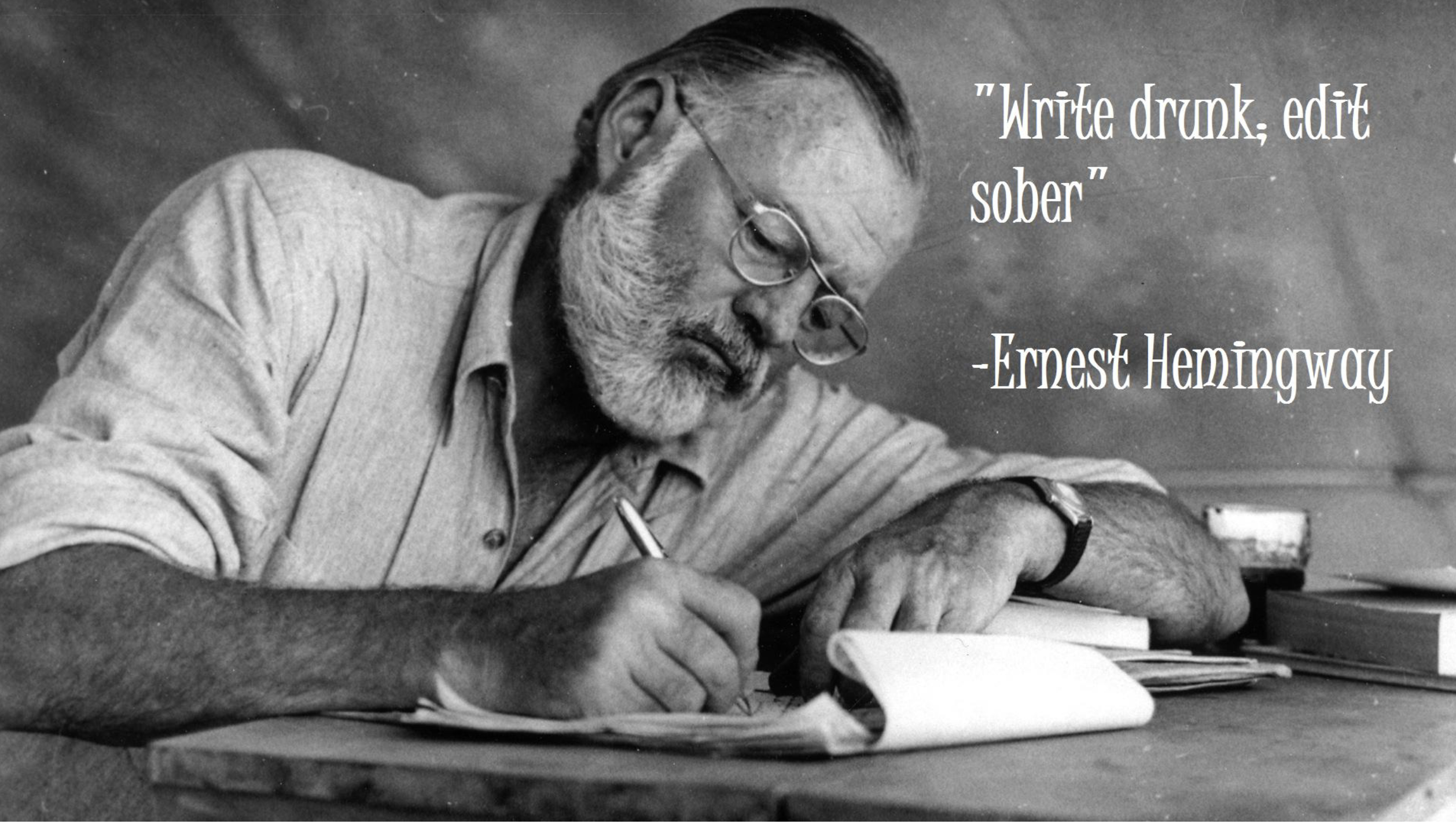
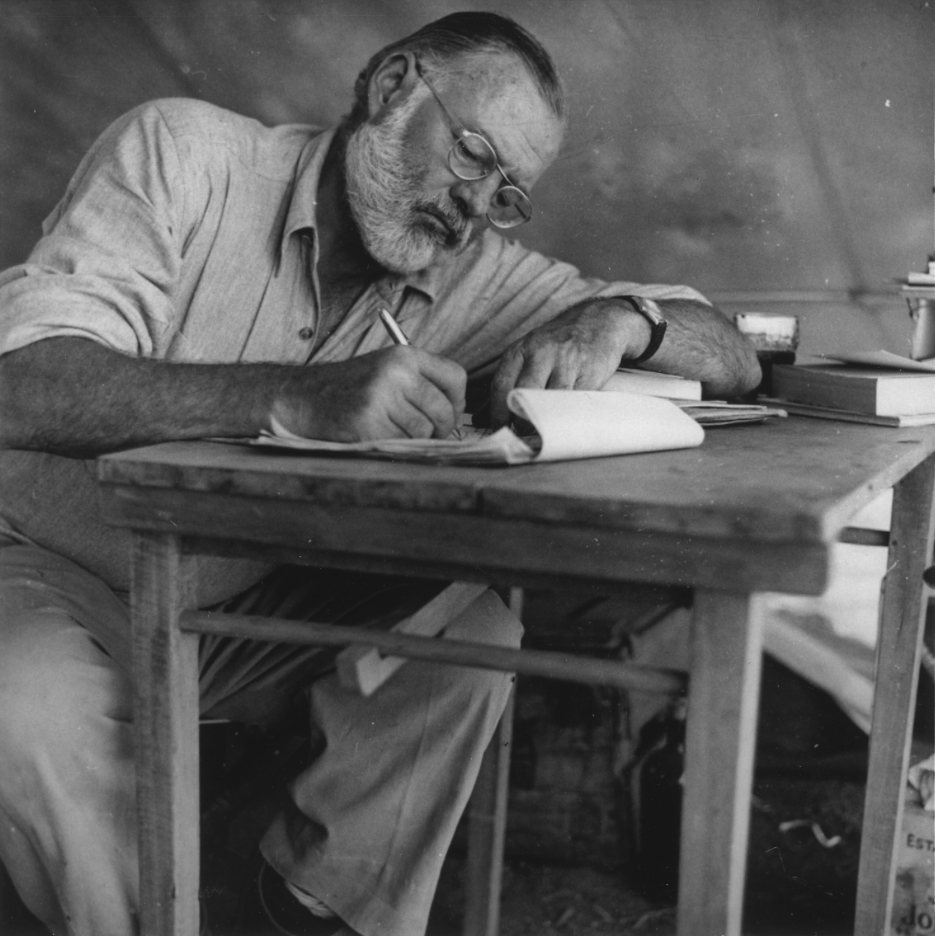
Ernest Hemingway — 500 to 1000 words
“When I am working on a book or a story I write every morning as soon after first light as possible. You have started at six in the morning, say, and may go on until noon or be through before that.”
Ian McEwan — 600 words
“I aim for about six hundred words a day and hope for at least a thousand when I’m on a roll.”
Kate DiCamillo — 600 to 900 words
“My goal is two pages a day, five days a week. I never want to write, but I’m always glad that I have done it.”
J.G. Ballard — 1000 words
“All through my career I’ve written 1,000 words a day- even if I’ve got a hangover. You’ve got to discipline yourself if you’re professional. There’s no other way.”
Sebastian Faulks — 1000 words
“When I am writing a book I write from ten till six everyday in a small office near my house. I never write less than a 1000 words a day. Writer’s Block is God’s way of telling you to shut up. More people should have it.”
Lee Child — 1,800 words
“I write in the afternoon, from about 12 until about 6 or 7. I use an upstairs room as my office. Once I get going I keep at it, and it usually takes about six months from the first blank screen until the end.”
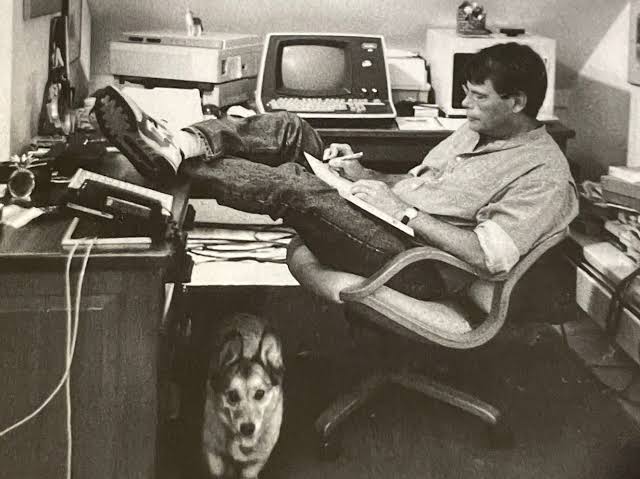
Steven King — 2000 words
“I like to get ten pages a day, which amounts to 2000 words.”
Anne Rice — 3000 words
“I have to get all distractions out of the way. I plunge into the work and write an episode; I can’t just clock in at 3,000 words. I have to have time free to resolve things. I write in episodic ways. But when I’m ready to plunge in, I write from late morning through all afternoon, all evening.”
Why Word Counts Matter, Especially for Novelists
The thought of writing a novel can feel overwhelming. It’s a massive task that requires sustained effort, which is why many people never even start. A routine can make the process manageable. Instead of focusing on completing an entire novel, break it into smaller steps—such as a thousand words at a time.
The average novel is about 80,000 words. Writing 1,000 words daily means you’ll have a first draft in under three months. This approach makes the goal achievable. Most successful writers emphasise the importance of setting targets because it provides structure and helps maintain momentum.
Finding Your Personal Word Count
Whether you are writing a book or something shorter, having a target really helps. Your ideal word count will depend on your circumstances, including your lifestyle and obligations. For aspiring writers, it’s often harder to set aside time than for those who write professionally.
The key is to make writing a regular habit—try to write daily or at least five days a week. If you’re struggling to get started, keeping a journal might help build the habit. Once writing becomes part of your routine, it will feel less daunting.
Start by aiming for 500 words daily and adjust from there. For many new writers, this is sustainable. Over time, you can increase your output. Remember, even at 500 words a day, you could finish a draft in six months—a significant accomplishment.
I write nonfiction as part of my day job, but I aim for 500 to 1,000 words of fiction each day, depending on how draining my other work has been. On good days, I can hit 2,000 words, but I rarely push beyond that. I think my brain would melt.
Consistency and persistence will help you find your ideal word count. For longer projects, I highly recommend setting a daily target—it’s one of the simplest ways to stay on track.
I hope this helped someone. Good luck with your writing projects!