



















New Study Reveals Surprising Signs of Human Microevolution
From extra bones to missing wisdom teeth – microevolution is changing us
Humans haven’t stopped evolving. In fact, we are continuing to evolve at an increasingly rapid rate. Scientists in Australia have noted that over the previous 250 years, mankind has been evolving faster than ever.
The research was conducted by tracking the retention rates of body parts over generations, then comparing them with dissected body parts and corpses.
So what are the more significant changes?
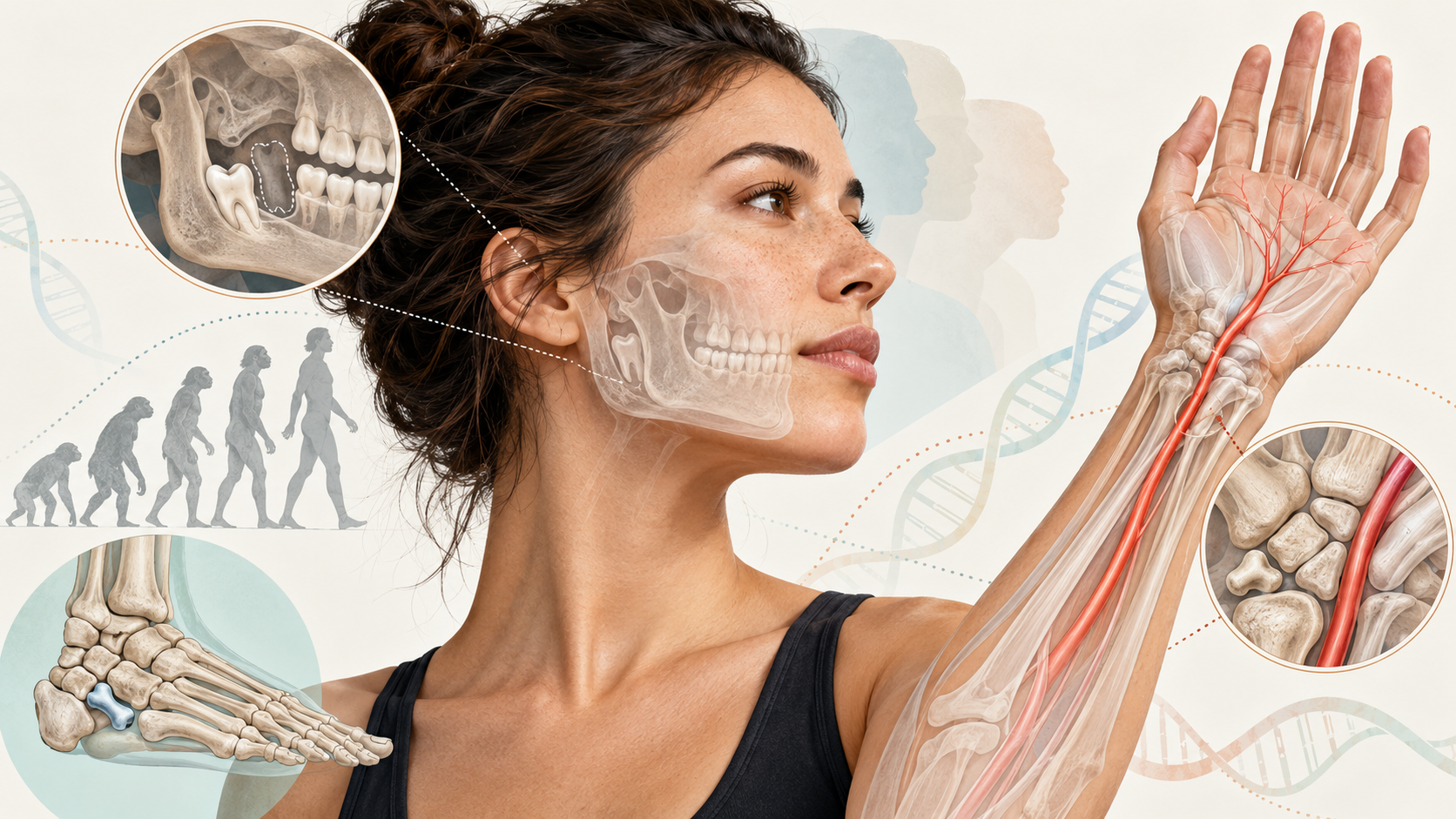
No wisdom teeth, shorter jaws, smaller faces, and additional bones
The most noticeable change is that babies are increasingly being born without any wisdom teeth.
Dr Teghan Lucas from Flinders University in Adelaide, Australia, noted that human faces are shortening. This means smaller jaws and, consequently, less room for wisdom teeth.
This is likely caused by changes in natural selection and the dramatic change in human environments. Dr Lucas explained, “This is happening in time as we have learnt to use fire and process foods more. A lot of people are just being born without wisdom teeth.”
Another adaptation the research found was that some people are born with additional bones in their arms and legs. Researchers also found abnormal connections between two or more bones in the feet.
Some of these changes are due to genetic variation. They appeared before, but are becoming more common. Some of the physical traits that might have affected movement or survival in our ancestors would have been selected against. But in the modern world, with medical care and fewer threats, these variations can persist.
Increased prevalence of the median artery
The study by Dr Lucas with University of Adelaide professors Jaliya Kumaratilake and Maciej Henneberg found a significant increase in the prevalence of an artery in the forearm that supplies the hand with blood.
The median artery forms in the womb but usually disappears once the baby is born and the ulnar and radial arteries have developed. Analysis has shown that since the 19th century, more people have been retaining the artery. Now, around one in three retains the median artery for life.
Professor Maciej Henneberg said: “The median artery is a perfect example of how we are still evolving because people born more recently have a higher prevalence of this artery when compared to humans from previous generations.”
Humans are undergoing microevolution
The causes are likely to involve a mixture of genetic change, altered selection pressures and major changes in human environments and lifestyles.
After analysing the changes, the authors noted: “This evolutionary trend will continue in those born 80 years from today, with the median artery becoming common in the human forearm.”
As increasing numbers of people around the globe switch from agrarian lifestyles to more sedentary indoor work, coupled with changes in diet and food processing, it will be fascinating to see what changes may appear next.