








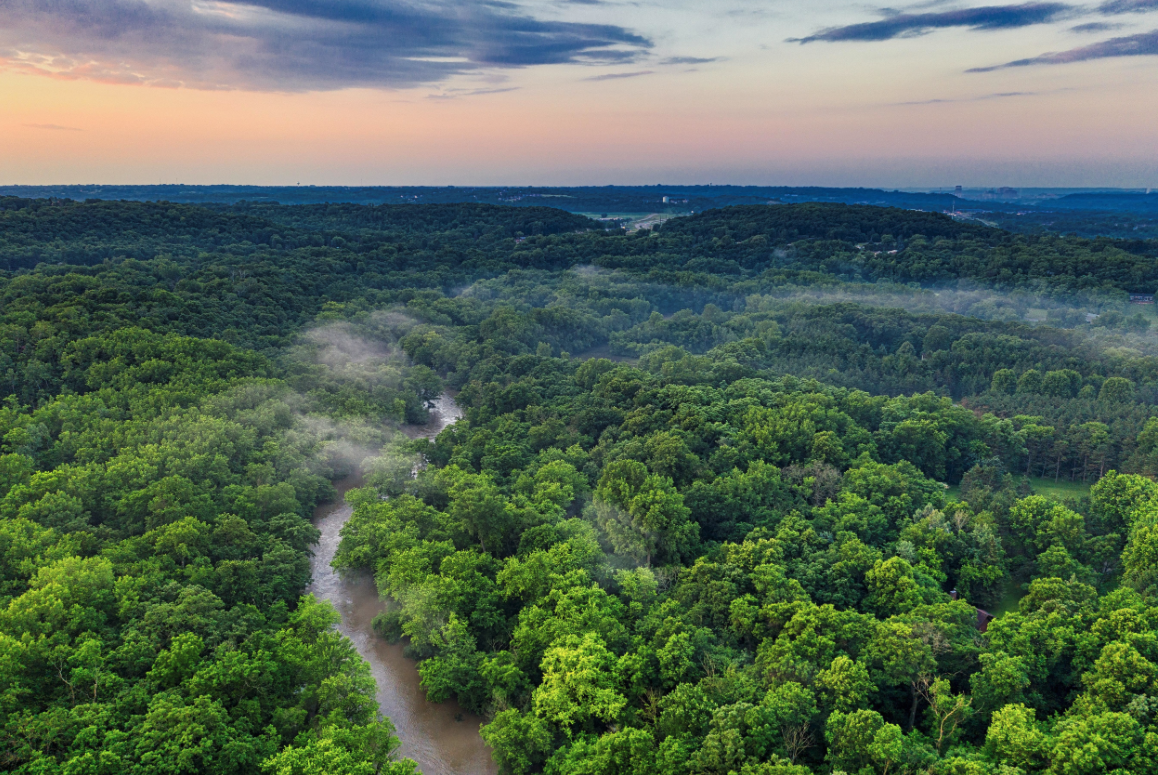
The Forgotten Story of the King of the Amazon
The forgotten true story of Alfonso Graña, the outsider who entered one of the most dangerous regions on Earth and emerged as a ruler
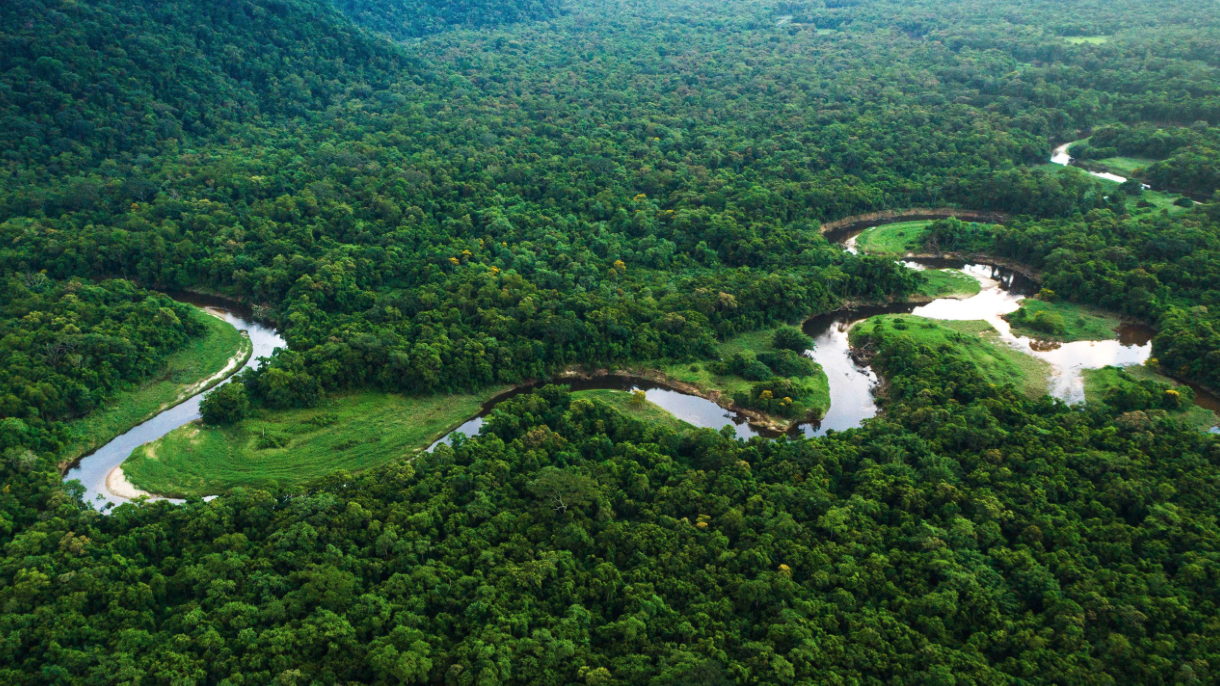
In the early twentieth century, a well-dressed Spaniard walked into one of the most feared regions of the Amazon rainforest, was captured by the headhunting Jibaros tribe and did something almost no outsider had done before.
He survived.
Within a few years, he was ruling thousands of Indigenous warriors, navigating lethal rapids, negotiating with oil companies, and being recognised by the Peruvian government as a king.
His name was Ildefonso Graña Cortizo. In the jungle, he became Alfonso I.
From Galicia to the Amazon
Graña was born in 1878 in Galicia, northern Spain, a region struggling with poverty and disease. Like many at the time, his family emigrated to South America in search of opportunity. His father worked as a tailor, and the well-dressed family earned the nickname “Los Chulos” – the pretties.
Although Graña did not follow the trade, he retained the taste for fine clothes. Throughout his life in the jungle, he reportedly continued to wear suits and dark glasses, even among warriors deep in the rainforest. This eccentricity would add to his legend and possibly save his life.
After working in Brazil, he settled in Iquitos, Peru, in 1910 during the final years of the rubber boom. When global rubber prices collapsed in 1922, employment disappeared. Rather than wait for fortunes to change, Graña headed into the Amazon interior with a fellow Galician (whose name is not recorded).
It was a decision that had proved fatal for many before him.
Captured in hostile territory by headhunters
The region Graña entered was home to people historically labelled “Jívaro” by outsiders, now better identified as groups such as the Shuar and the Wampis. Early accounts portrayed them as fearsome headhunters known for creating tsantsas, or shrunken heads, taken in warfare. Outsiders who entered their territory often did not return.
The tribes believed that you were born without a soul, and the way you acquired one was through hunting and killing. The more violence perpetrated, the more power they accumulated until they became immortal. This led to frequent raids and murderous attacks on neighbours.
So, when Graña and his companion were captured soon after arrival, things looked grim.
His companion was never seen again and likely killed. Graña, however, was spared. Later accounts suggest the chief’s daughter took a liking to the sharply dressed outsider. His smart wardrobe had saved his life. He was wasn’t just allowed to live – he married into the chief’s daughter, and became part of the tribe.
Earning His Place
Graña adapted quickly and impressed his new tribe. He learned local customs, participated in rituals, and proved himself capable in a harsh and unfamiliar environment. Stories of his resilience, including claims about his indifference to insects and venomous bites, became part of his growing reputation. Apparently mosquito bites didn’t bother him and he was immune to tarantula bites.
One episode in particular elevated his standing.
The Pongo of Manseriche, a violent stretch of rapids along the Marañón River, was feared even by experienced locals, who often tied themselves to their canoes before attempting to pass through. Graña repeatedly navigated the rapids multiple times without securing himself.
Details are difficult to confirm, but stories of his life in the jungle are based on multiple sources at the time. It was clear Graña had demonstrated considerable courage and had earned respect of the tribes people.
So much so, that when his father-in-law, the chief, died, Graña was immediately recognised as his successor. Furthermore, his people seemed completely happy with it. By the late 1920s, he was ruling a vast region and several thousand people.
A Self-Made Ruler
Graña entered the jungle unable to read or write. At some point, books reached his settlement through trade or contact with travellers. Using them, he taught himself literacy.
He applied this knowledge in practical ways. Salt was a critical resource in the region, and Graña organised its production and trade. He also worked to reduce conflict among groups under his influence, helping to stabilise a region often marked by cycles of violence.
He also raised a family and had two sons and a daughter, establishing himself not just as a leader, but as part of the community.
Between Two Worlds
Back in Iquitos, Graña had long been presumed dead. Which was pretty understandable considering what usually happened when outsiders wandered into the Amazon and got captured by the locals. But then rumours began to circulate of a white man ruling the tribes beyond the rapids. Most people dismissed the stories, though.
So when he returned to the city with canoes loaded with goods, it caused a sensation. Observers noted the striking and incongruous sight of intimidating Indigenous warriors following a European dressed in a tailored suit.
Graña moved between worlds. He brought members of his community into the city for medical treatment and introduced them to aspects of urban life, such as the cinema, riding in cars, and eating ice cream, before returning with them to the forest.
His friend Cesáreo Mosquera, founder of the bookstore Amigos del País in Iquitos, recorded his story. Journalist Víctor de la Serna later popularised it in Spain, giving rise to the name Alfonso I, King of the Amazon.
Recognition and Reputation
As Graña’s influence grew, outsiders seeking access to the region had to negotiate with him.
When Standard Oil explored the area, his cooperation was essential. He knew the terrain and could ensure safe passage through territories where outsiders were otherwise at significant risk of attack.
In 1932, a Latin American expedition became lost in the jungle. Graña and his people supplied them and guided them to safety. A far cry from what would likely have happened to them a decade before.
His most dramatic intervention came during the 1932–33 conflict between Peru and Colombia. After several Peruvian Air Force seaplanes went down in the jungle, Graña’s group located the wreckage and rescued a surviving mechanic.
They then recovered the body of the dead pilot, Alfredo Rodríguez Ballón. Graña organised a river journey through the treacherous Pongo of Manseriche, somehow transporting the body, survivors and aircraft parts back to Iquitos.
The arrival was met with a hero’s welcome and handed the body to the pilot’s relatives and seaplane parts to Peruvian officials. (To this day, the airport serving Peru’s second biggest city Arequipa is named after the dead pilot – Alfredo Rodríguez Ballón International Airport.)
In recognition, the Peruvian government formally acknowledged him as King of the Jívaro and granted him rights to exploit valuable salt deposits.
Death and Legacy
Graña died of stomach cancer in 1934 at the age of 56. His life had taken him further from his origins than almost anyone could have imagined.
His legacy did not entirely disappear. His grandson, Kefren Graña, later became head of the Federation of Wampis Communities of the Santiago River, continuing efforts to protect Indigenous lands. It is a position that, sadly, seems to be getting harder.
An earlier version of this story is on my Intriguing Times Substack.