

Why Modern Novels Are Getting Longer (And Why Readers Love It)
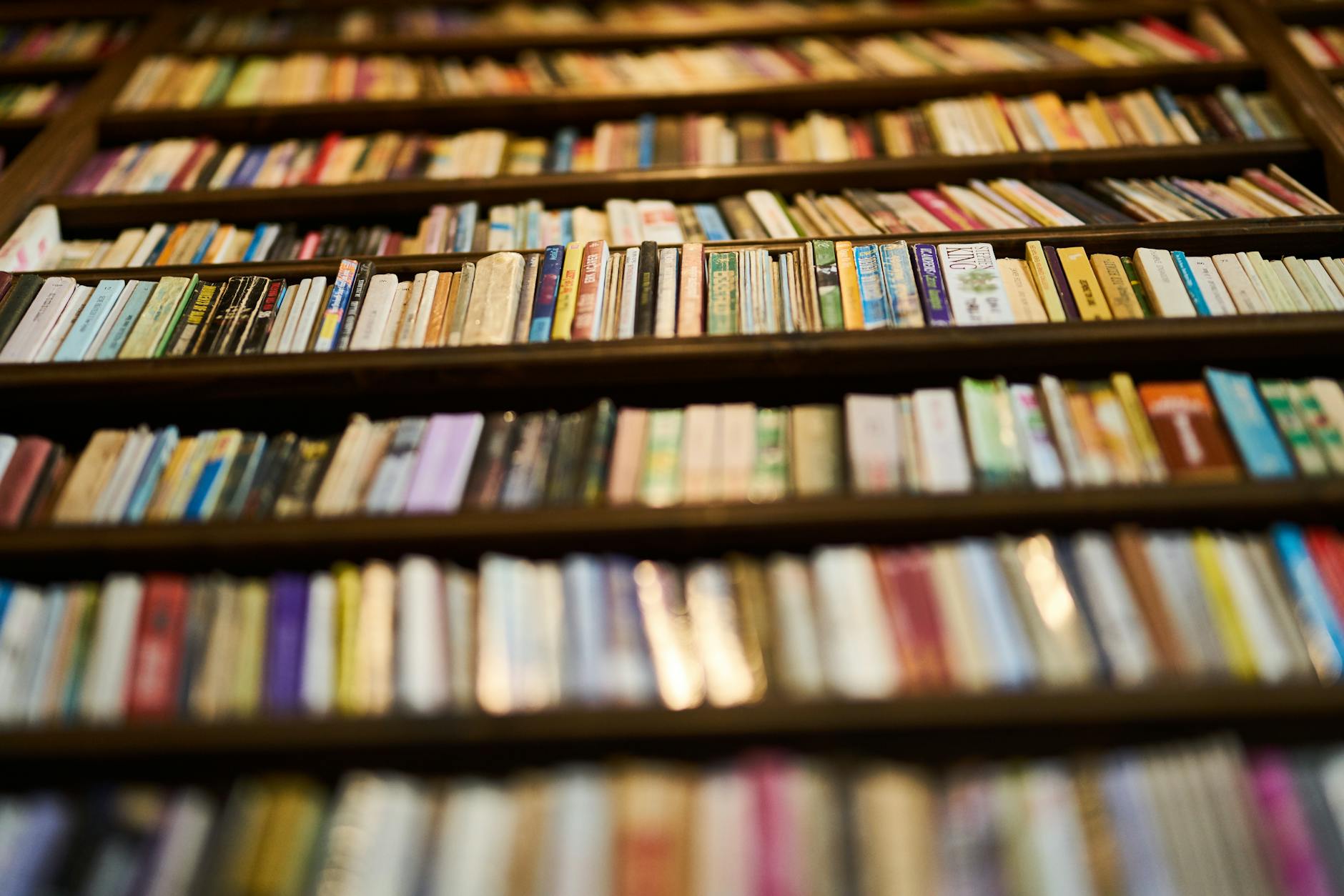
There is a noticeable trend in modern publishing. Many of today’s most popular novels are getting longer
Over the past few decades, data suggests that novels (particularly bestsellers and literary fiction) have gradually increased in length. One widely cited analysis of more than 2,500 notable titles found that average book length rose from around 320 pages in 1999 to over 400 pages by 2014. While not universal across every genre, the broader direction is clear.
More recent examples reinforce the point. The 2019 Booker Prize shortlist, for instance, leaned heavily toward longer works, with several titles exceeding 500 pages. At the same time, it is less clear whether this upward trend has continued at the same pace in recent years, or whether the market is beginning to stabilise. Data on the matter is weirdly scarce.
Either way, the appetite for longer stories remains strong.
So what exactly counts as a “long” book, and why are they becoming more common?
What is the average length of a novel?
A typical novel usually falls somewhere between 50,000 and 110,000 words. At an average of roughly 250 words per page, that translates to around 200 to 400 pages, depending on formatting and genre.
Different genres have different expectations. Thrillers, for example, often sit in the 70,000 to 90,000-word range, favouring pace and tight plotting. Fantasy novels, on the other hand, regularly exceed 90,000 words and often go far beyond that.
Some of the most famous books highlight just how wide the range can be.
George R.R. Martin’s A Dance with Dragons runs to around 414,000 words. By comparison, the entire Lord of the Rings trilogy comes in at roughly 481,000 words combined. The Harry Potter series shows a similar pattern of growth, beginning with The Philosopher’s Stone at around 77,000 words and expanding to over 250,000 words by The Order of the Phoenix.
Even classic heavyweights are not immune to comparison. Dostoevsky’s Crime and Punishment, often considered a substantial novel, sits at roughly 210,000 words depending on the translation.
Long books are nothing new. War and Peace and Don Quixote are famously hefty tomes. What does seem to be changing is how common these larger works have become.
The impact of eBooks and digital reading
One of the biggest shifts in recent years has been the rise of digital reading.
A large physical book can feel like a commitment. It is heavier, more awkward to carry, and visually imposing when sitting on a shelf. An e-reader removes most of those barriers. Whether a book is 200 pages or 800, it looks and feels the same in your hand on a reading device.
That simple change alters how readers perceive length. A longer novel no longer feels like a burden, which gives both readers and writers more freedom.
Audiobooks may also play a role. For listeners using subscription credits, longer books often feel like better value, encouraging demand for more expansive stories.
I should add that I am not bad-mouthing books in any way. A book is a lovely object in itself, with a unique feel and smell. My house is full of the things. But I also travel a lot…
A shift toward long-form storytelling
The popularity of longer narratives is not limited to books.
Television has steadily moved away from self-contained episodic TV toward season-long story arcs, particularly in the age of streaming. Viewers are now accustomed to investing in complex plots that unfold over many hours.
Films have followed a similar pattern at the blockbuster level. Many modern releases now stretch well beyond the two-hour mark, with audiences seemingly happy to commit the time. The top-grossing film ever is Avatar (over 2.5 hours), followed by Avengers: Endgame (over 3 hours).
Against this backdrop, longer novels feel like a natural fit. Readers who enjoy deep world-building, character development, and intricate plots are more willing than ever to settle in for an extended story.
Genre trends are pushing word counts higher
Another important factor is the growing popularity of genres that tend to favour longer books.
Fantasy and science fiction, in particular, have expanded significantly in recent years. Authors such as George R.R. Martin, Brandon Sanderson, and Peter F. Hamilton are known for writing large, detailed works that often form part of even bigger series.
Looking back, many classic science fiction authors wrote far shorter novels. Writers such as Isaac Asimov, Philip K. Dick, Kurt Vonnegut, and Arthur C. Clarke tended to produce leaner books, often focused on a single idea or concept. I keep my classic scifi on a different set of shelves from more modern work, and the difference is massively notable.
There were exceptions, of course – Herbert’s Dune, Tolkien’s Lord of the Rings, etc – but as a general rule, older science fiction was more concise. Modern genre fiction, by contrast, often embraces scale.
When these longer novels dominate bestseller lists, they naturally push the average book length upwards.
Greater freedom for authors and publishers
Changes in publishing have also played a role.
Traditional publishing has always been influenced by practical constraints. Printing costs, shelf space, and pricing all encouraged books to stay within certain limits. Extremely long or very short works were harder to market unless the author was already well established.
Digital publishing has loosened those restrictions. Authors now have more flexibility in how long their work can be, and readers have more choice than ever before. Self-publishing has added another layer.
Writers who build an audience are also less likely to have their work heavily trimmed, and editors may be more cautious about cutting successful authors down to size. The familiar criticism that a book “could have used a stronger edit” has become increasingly common.
At the same time, shorter fiction has also found new life online. Short stories, novellas, and serialised fiction are easier to publish and distribute digitally, giving readers access to a wider range of formats.
A mix of factors is driving a clear trend
There is no single explanation for why books are getting longer.
Instead, it appears to be the result of several overlapping trends. Digital formats have removed physical limitations. Audiences have grown more comfortable with long-form storytelling. Popular genres favour scale. And publishing itself has become more flexible.
Put together, these shifts have created an environment where longer novels can thrive.
For readers who enjoy immersive, detailed worlds, that is no bad thing.
Now, if you will excuse me, I am about to start Sanderson’s The Way of Kings – around 383,000 words and the start of a series of simialrly lengthy novels. (I’m not joking.) It might take a while.
(This post has affiliate links.)