




What Did People Wipe With In The Past And Why Is The World Moving Beyond Toilet Paper?
Toilet paper is modern and isn’t the best option
There was a weird focus on toilet paper at the start of the Covid pandemic, with lots of people panic-buying and hoarding the stuff. At least, that was the case in large chunks of the world. I live in Southeast Asia, however, and there was no such panic. Nor was there any in the Middle East, or countries like Japan, Italy, India, and numerous other places.
The reason for this is that people in this part of the world prefer to use water to clean their posteriors. Most toilets here have a hose — sometimes nicknamed a ‘bum gun’ — and it is a lot more hygienic.
Whenever there’s some kind of global or national panic and my screen is filled with hordes of people fighting over bog roll, I often wonder what people have used throughout history and what they will use in the future. I have a weird mind. I finally did some research, and it was surprisingly fascinating.
I discovered that in the West, the use of toilet paper is relatively recent and only gained widespread popularity in the 20th century. Whereas in China, they have been fans of the stuff since at least the 6th century.
I also found out that a change is underway that may even help save the planet.
But first things first: what did people use around the world before toilet paper was popular?
Pre-history and those without running water
Throughout history, from the early Homo sapiens to the present day, those without access to running water and toilet facilities have just used what was most readily available.
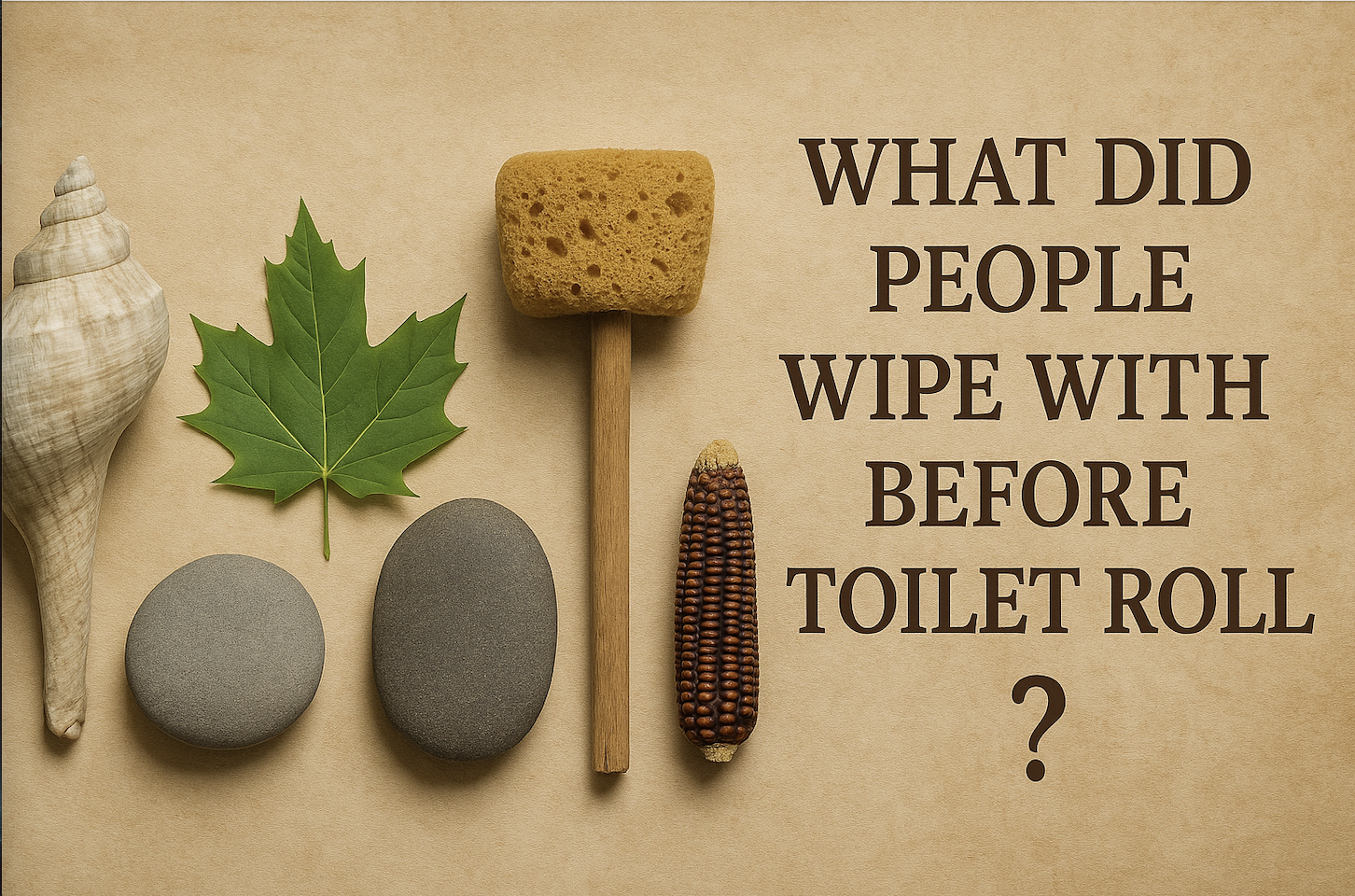
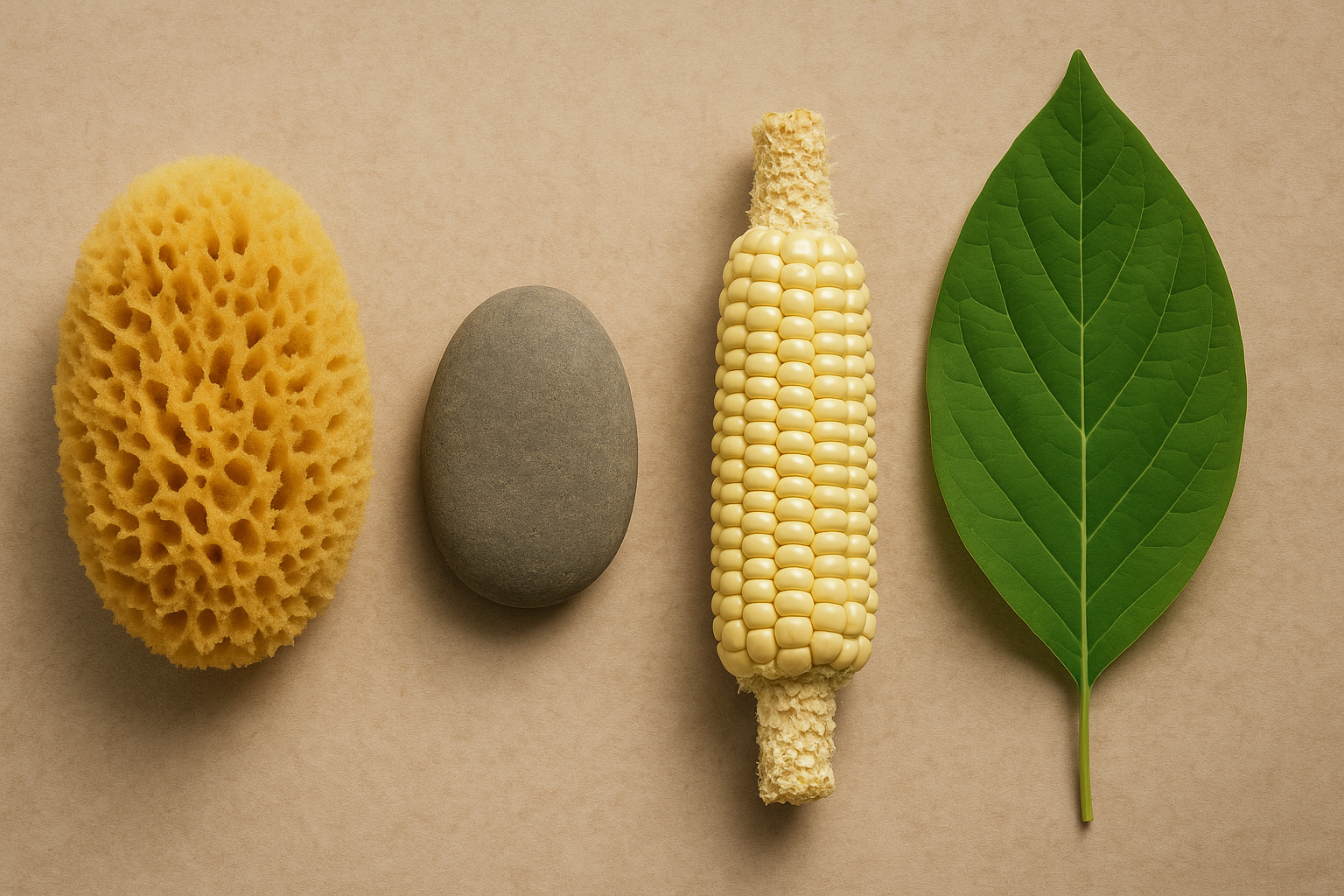
This included moss, sand, stones, leaves, water and even seashells. As society developed, richer types took to using precursors to toilet paper, such as lace and wool.
The Inuit, for example, used snow. Sailors generally defecated overboard at the ‘head’ of a vessel and cleaned up with frayed ropes and seawater.
The Ancient Romans and Greeks
The Romans created something called a tersorium: basically a sponge soaked in salt water or vinegar and tied to a stick. Wealthy Romans had their own, while the less fortunate had to share in public toilets, leading to rampant disease.
The Greeks and Romans also used small round stones or bits of ceramic called pessoi — sometimes inscribed with the names of enemies, allowing you to give your rivals a very literal insult.
The Chinese invented toilet paper
China’s claim is strong: archaeologists have found bamboo sticks wrapped in cloth, hemp paper too crude for writing, and 6th-century court records mentioning the Imperial family using paper for cleaning. By the 14th century, they were mass-producing rice-based toilet paper for emperors.
Not everyone was impressed. An 8th-century Middle Eastern traveller noted: “They are not careful about cleanliness … they only wipe themselves with paper.”
The Middle East and India use water
Water has always been the mainstay here. It was often combined with the left hand, which became taboo for greeting and eating. These regions still overwhelmingly prefer water today.
America, pre-toilet paper
Native Americans and early settlers often used corn cobs, later replaced by Sears catalogues or the Farmers’ Almanac, which came with a handy hole in the corner for hanging and reusing.
The Western world gets its first rolls
In 1857, American Joseph Gayetty sold “medicated paper” sheets infused with aloe. It wasn’t popular: 50 cents for 500 sheets (about $14 today). Ten years later, the Scott brothers started selling rolls of plain paper, which became far more affordable and took off with the spread of indoor plumbing.
By the 1930s, toilet paper sales surged thanks to two things: indoor bathrooms, and the invention of ‘splinter-free’ toilet paper. Yes, before that, you risked more than just roughness — poor manufacturing left tiny wood fragments that made visits to the loo memorable for all the wrong reasons.
Toilet paper in a crisis: the 1973 panic
The pandemic showed how quickly people hoard toilet paper, but it wasn’t the first time. In Japan in 1973, inflation and the oil crisis triggered hoarding. A U.S. congressman even warned about shortages, but panic didn’t spread – until comedian Johnny Carson made a joke about it on The Tonight Show.
Overnight, supermarket shelves were stripped bare. Shops rationed rolls, Carson apologised, but the U.S. shortage lasted three weeks.
Dependence on toilet paper should change
In the West, toilet paper has only been around for 150 years, splinter-free for less than 90. Yet it has become an “essential.”
But it’s environmentally disastrous: 27,000 trees felled per day, 9 million a year. The Guardian calculated in 2020 that if Americans gave up toilet paper, 15 million trees a year would be saved.
The future of backside hygiene
Bidets and hoses are already common in Asia, the Middle East, and parts of Europe. In the U.S., companies like Tushy saw sales spike tenfold in early 2020. Bidetking.com reported steady 20–30% annual growth post-pandemic.
Using water is not just cleaner — it’s greener. A single roll of toilet paper takes 37 gallons of water to make; a single bidet use takes one-eighth of a gallon. Switching saves trees, energy, chlorine, packaging, and shipping.
Make the switch
Since moving to Southeast Asia, I’ve become a convert to water. It feels strange at first, but you adapt quickly. It’s cleaner, healthier, and massively better for the planet.
So give it a try. You could stick with a bidet or hose, or go old-school with a sponge on a stick, a shard of pottery, or a dried corn cob.
I know what I’m opting for.
This post was originally from Medium, before I reworked it. If you enjoyed it, why not check out my Medium page, or my Substack. Both have fascinating historical tales and healthy archive of stuff to peruse. Enjoy.