











The Dark History of Okunoshima, Japan’s Famous Rabbit Island
Cute Tourism Built on a Chemical Weapons Secret
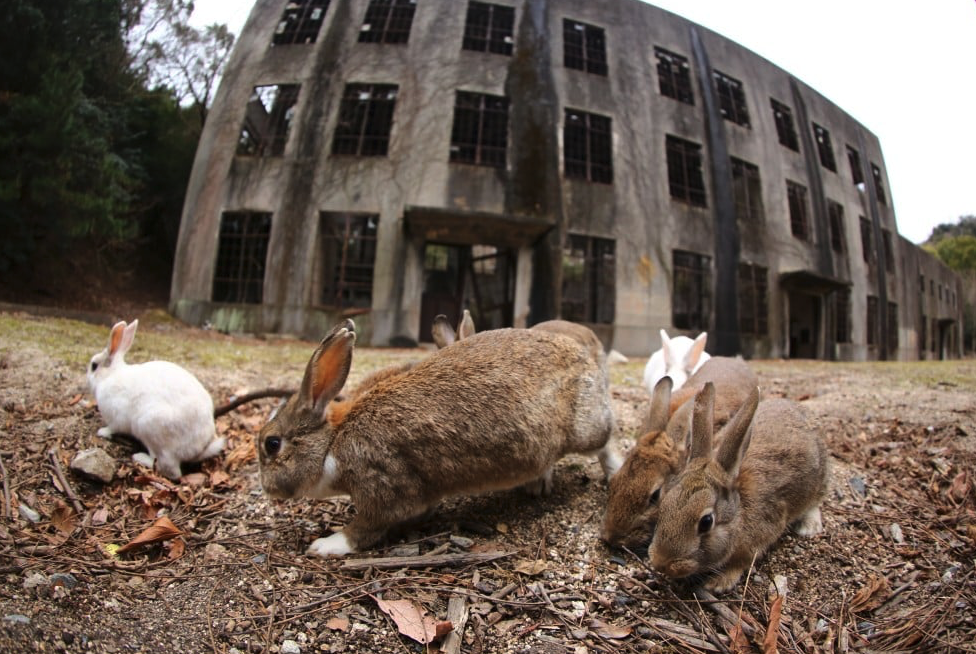
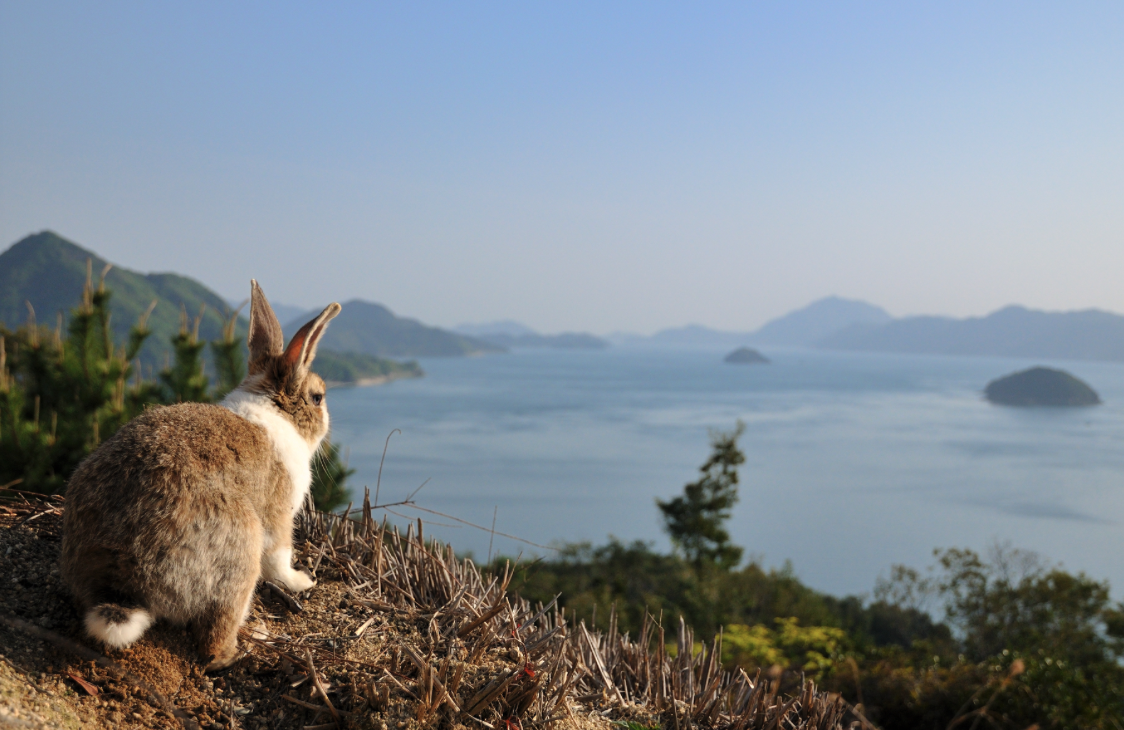
Okunoshima looks like the setting for a children’s story. A small island in Japan’s Inland Sea where hundreds of tame rabbits wander freely, nudging tourists for food and posing for endless photographs. It is known simply as “Rabbit Island”.
What most visitors do not realise is that for sixteen years in the twentieth century, Okunoshima was deliberately erased from official maps.
Between 1929 and 1945, the island housed one of Imperial Japan’s most secret chemical weapons facilities.
The secret history of Okunoshima Rabbit Island
Okunoshima sits off the coast of Takehara in Hiroshima Prefecture. In the mid-1920s, Japan’s military leadership identified it as an ideal location for weapons development. It was isolated, sparsely populated, and far enough from major cities to limit scrutiny.
The timing mattered. The First World War had demonstrated the devastating potential of chemical weapons. Chlorine, phosgene, and mustard gas had killed or maimed hundreds of thousands in Europe. In response, the Geneva Protocol of 1925 prohibited the use of chemical and biological weapons in war. It did not, however, forbid their development or stockpiling. That loophole allowed nations, including Japan, to continue research in secret.
By 1929, Okunoshima had become a major production site. The island was removed from maps, its activity classified, and thousands of workers were brought in under strict secrecy.
Over the next sixteen years, the facility produced large quantities of mustard gas and other chemical agents. Estimates suggest roughly 6,000 tons were manufactured there.
Chemical Warfare in China
The secrecy was not academic. During the Second Sino-Japanese War, which began in 1937, Japanese forces deployed chemical weapons in China. Historians estimate that tens of thousands of Chinese soldiers and civilians were killed in chemical attacks between 1938 and 1941, though precise figures remain debated.
Okunoshima was part of that machinery.
The island was not only a production site but also a research centre. Animals, including rabbits, were brought there for testing. They were used to measure exposure levels and refine the lethality of various agents.
The contrast is unsettling. The same animal that now defines the island’s public image once served as a test subject in weapons experiments.
When the war ended in 1945, the facility was dismantled. The remaining test animals were euthanised. The chemical stockpiles were destroyed under Allied supervision.
The island re-entered official maps.
The Rabbits Return
Contrary to what you might think, the current rabbit population does not descend from wartime test animals. The widely repeated story that laboratory rabbits escaped and multiplied is not supported by evidence.
Instead, the modern population appears to have begun in 1971, when a group of schoolchildren released eight rabbits on the island. With no natural predators and a ban on cats and dogs, the animals multiplied rapidly. Okunoshima Rabbit Island was born.
Today, there are believed to be around one thousand rabbits on Okunoshima. Visitors arrive by ferry specifically to photograph and feed them.
This success has created its own problems. The rabbits rely heavily on tourists for food, and inappropriate feeding can cause health issues. Their growing numbers have also disrupted the island’s ecosystem. The image of a carefree paradise hides a fragile balance.
The Poison Gas Museum
Okunoshima’s wartime role has not been forgotten. In 1988, the Poison Gas Museum opened on the island to document its history. The exhibits detail the development of chemical weapons, the suffering of victims, and the harsh conditions faced by workers who handled toxic materials, often without adequate protection.
Predictably, the museum draws far fewer visitors than the rabbits. After all, cute animals are easy to share on social media. Industrialised chemical warfare is not.
Yet the two are inseparable here. The island’s present popularity has unintentionally revived awareness of its past. Tourists who arrive for photographs often leave having learned about a chapter of history that was once literally erased.
Victims and Aggressors
Hiroshima Prefecture occupies a complicated place in twentieth-century memory. It was the site of the atomic bombing in 1945. It was also home to a chemical weapons production facility whose output was used against others.
The curator of the Poison Gas Museum, Hatsuichi Murakami, has spoken about that dual legacy, arguing that Japan must remember both aspects: the suffering it endured and the suffering it inflicted.
Okunoshima embodies that tension. A place once defined by secrecy and toxic experimentation is now defined by photogenic wildlife and tourism. The rabbits have become an unexpected symbol. They attract visitors, and in doing so, draw attention back to a history that might otherwise fade.
The island is no longer absent from maps. It is widely known. But its story remains layered.
What looks like a harmless novelty destination is also a reminder of how easily modern states can pursue destructive research under legal and diplomatic cover. The loophole in the Geneva Protocol allowed chemical weapons to be prepared long before they were used. International agreements often trail behind technological ambition.
Okunoshima’s rabbits will continue to multiply as long as the environment allows it. The more difficult task is ensuring that the darker part of the island’s history is not softened into obscurity by its present charm.
A thousand rabbits now roam an island that once officially did not exist.
If you found Okunoshima’s secret history intriguing, you might also enjoy:
• The Potsdam Giants: How a Prussian King’s Obsession Led to Kidnapping, Torture, and Eugenics — another remarkable historical oddity.
• Perth, Rottnest Island, and Ridiculously Cute Quokkas — cute animals, deeper context.
• The Gorilla Who Was Brought Up as a Boy in an English Village — a strange true story worth reading.