
















Is There A Better Keyboard Than QWERTY? Yes, But You Won’t Use It
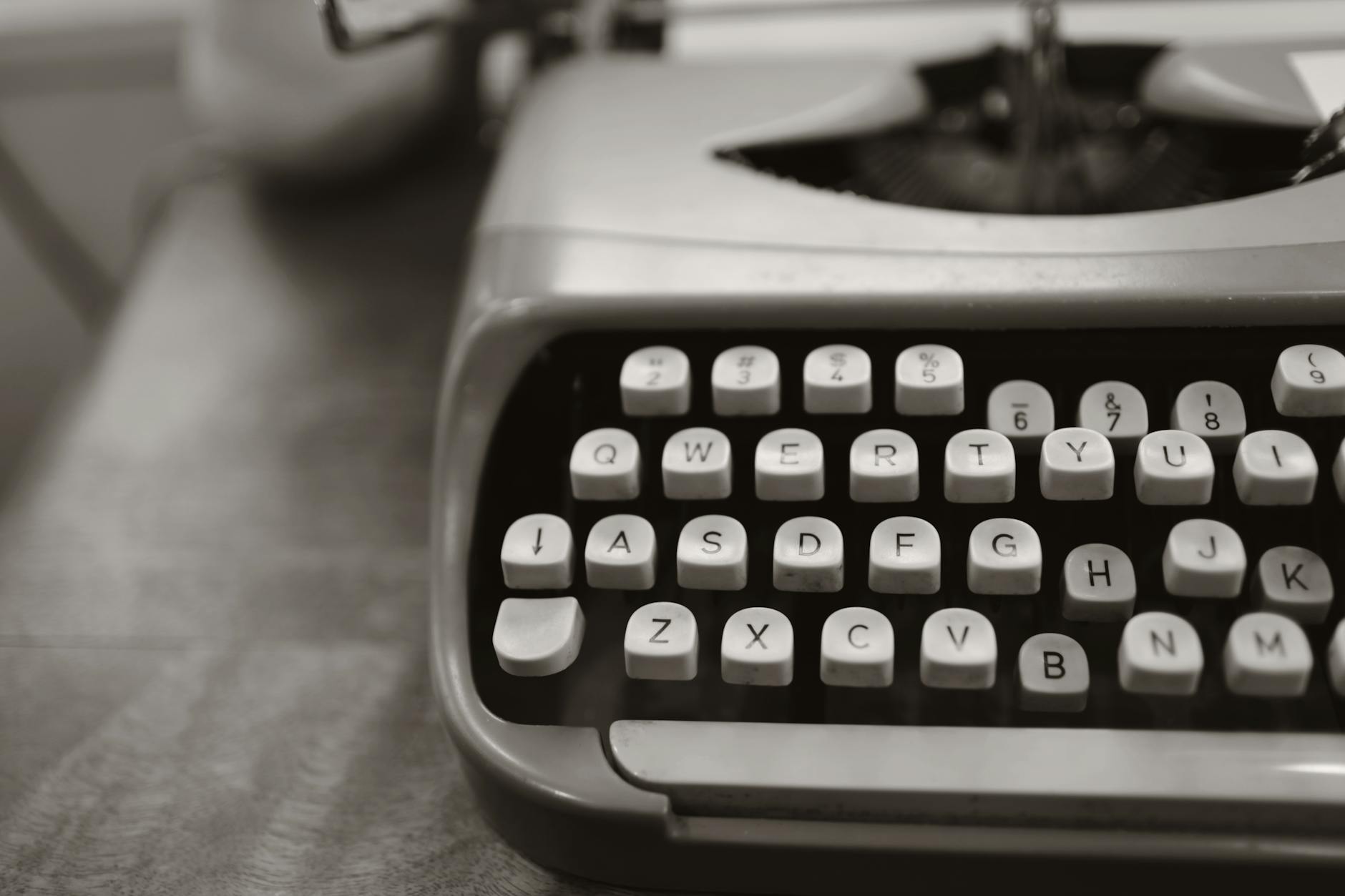
I write for a living and use a QWERTY keyboard. Apparently around 90% or more people do likewise. I have also learned to touch type as I am the kind of lazy that will go the extra mile to make life easier later on.
It is almost weird to think about other keyboard layouts, as QWERTY is so ubiquitous. But it doesn’t make sense in the modern world and logically we should all change. We probably won’t though.
First a quick bit of history.
QWERTY was designed to slow down typing speeds
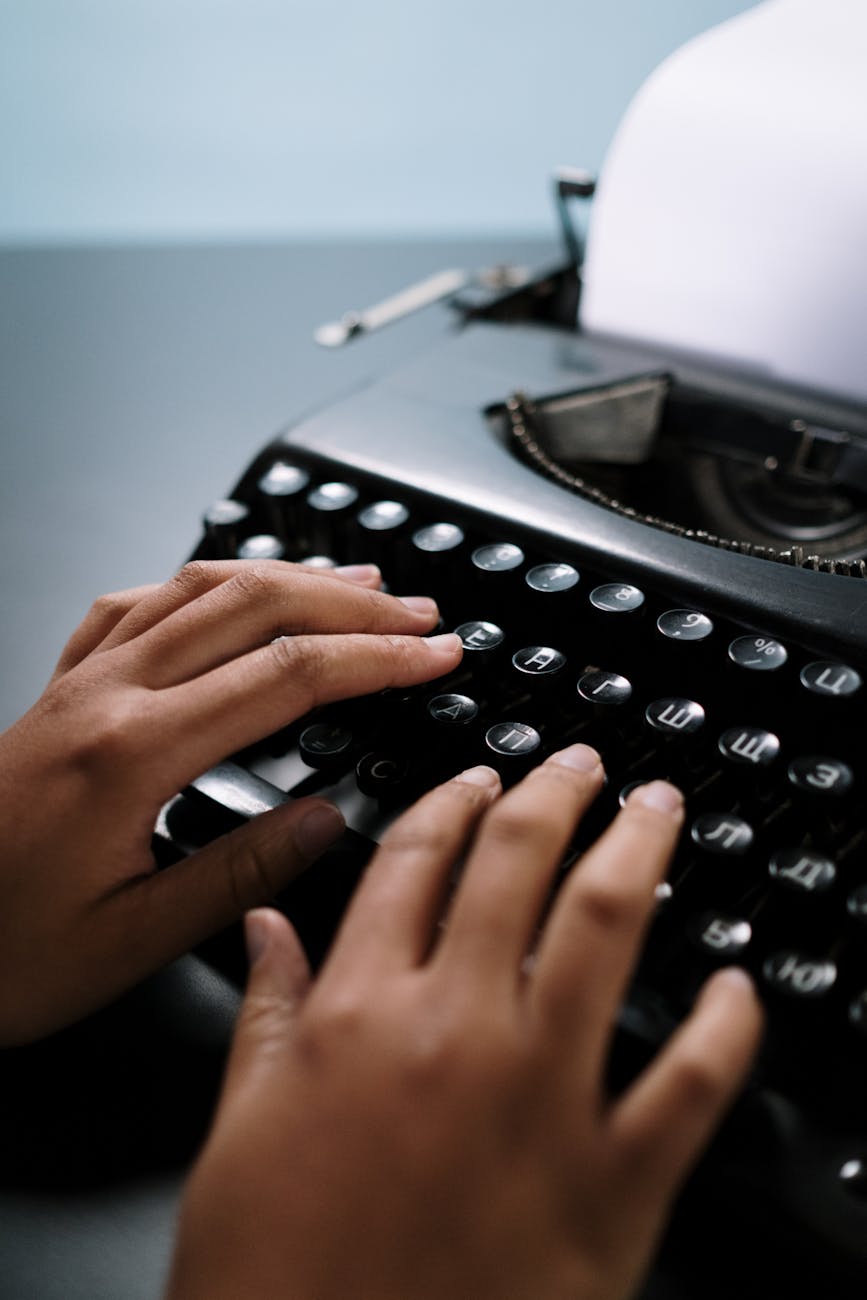
I have used computers for my whole professional life, but I’m old enough to have written on typewriters. If you hit to keys that are close to each other fast enough, they can both collide as they shoot toward the paper and get stuck.
To fix this, Christopher Latham Sholes, the man behind the first commercially successful typewriter, invented QWERTY in the 1870s. Typewriters were popular and people rapidly improved typing speeds on to experience keyjams. Scholes rearranged the keys to generally slow down typing speeds.
And yet, here we are. Over 150 years later, I’m still hammering away at a layout engineered for the quirks of metal arms and ink ribbons on a laptop. It’s mental.
So why haven’t we switched?
Because change sucks and is hard. If you grow up using QWERTY and learn to touch type, that muscle memory is hard to overcome. Also, as most keyboards are QWERTY, if you retrain your fingers to something else you will have a nightmarish time on other devices that have the traditional layout.
But not everyone gave up. Over the years, various contenders have emerged to try and overthrow this archaic king.
The Main Alternatives to QWERTY – if you fancy trying them out
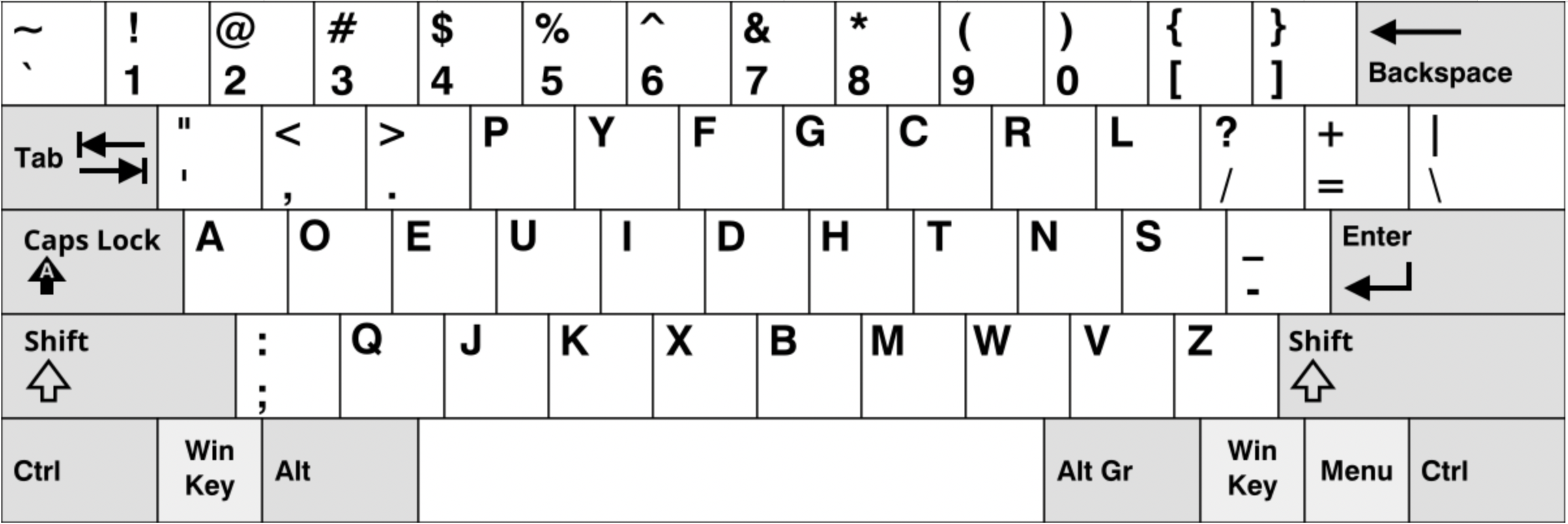
Dvorak Simplified Keyboard
Invented in the 1930s by Dr. August Dvorak, this layout was designed to increase typing efficiency by putting the most-used letters under your strongest fingers. The layout was also designed to reduce key jams but the most used letters are easier to reach.
It’s a noble idea, reduces strain, and is technically faster — but the retraining curve is steep, and most people give up around the time they can’t find the semicolon and question why they are doing this in the first place.
Colemak
This one’s the cool middle child. Colemak changes just 17 keys from QWERTY, so your shortcuts (like Ctrl+C/V) still work. It’s more efficient than QWERTY, easier to learn than Dvorak, and beloved by a niche group of keyboard nerds and Reddit productivity gurus.
QWERTZ
Used in Germany and much of Central Europe. It swaps the Y and Z because Germans use Z more often than Y. Logical, but still disorienting when you borrow someone’s laptop and touch type something weird.
AZERTY
The French equivalent of QWERTY, where A and Q switch places. Includes accented characters like é and è. Most French people hate it and would happily throw it in the Seine, but again—momentum is a powerful force.
Beyond Layout: Wild and Wonderful Keyboards
If you really want to go down the rabbit hole, there are ortholinear keyboards, which arrange all keys in neat grids. There are split keyboards shaped like the wings of a shiny bat. There are even keyboards that look like props from Star Trek, with glowing keys and programmable layouts for gaming or coding.
There are also a lot of game peripherals that look like gloves but you can type on, roll-up keyboards, and laser keyboards. You can even buy keyboards where you can move letters around and come up with your own layouts.
These are all fun, if you enjoy that kind of thing (I do) but usually end with frustration and effort and nostalgia for good old QWERTY.
So… Are We Stuck With QWERTY Forever?
Probably. The layout is inefficient, outdated, and was literally designed to make us worse at typing — but it’s too late now. Pretty much every western alphabet keyboard on Earth uses it. Every app and operating system assumes it. And most people don’t have time to relearn where the letter “E” went. It’s hellish.
Still, it’s fun to know there are options. DVORAK is more efficient, but after nearly 100 years, people still aren’t that keen to learn. I know my brain can only remember one layout at a time.
Maybe one day we’ll evolve beyond QWERTY. But it is a while off.

Just FYI if you like random interesting stuff
This site began as a place to review random stuff and the odd article about things I find interesting. I will still write quirky things interest here, but I have a lot more on my Substack (click on that link – you probably guessed that).
You might also enjoy one of my short books, so check them out! Thanks in advance.