









Short stories are back – here’s why that’s great for writers
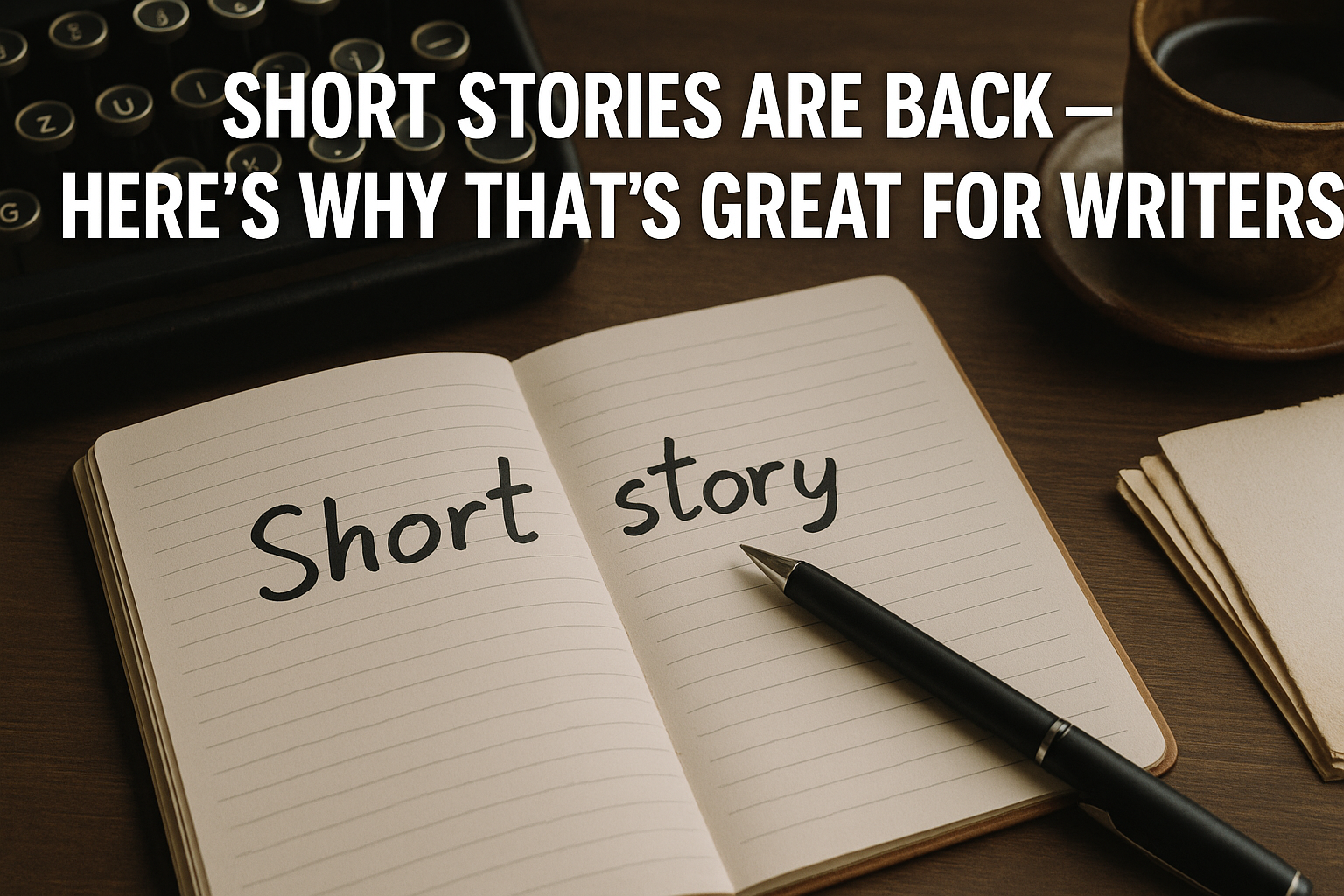
Every Writer Should Spend Time on Short Stories
Short stories have always waxed and waned in popularity. Their earliest incarnations were myths, fables, and fireside legends, but the modern short story emerged alongside the rise of the novel in the 19th century. Now, thanks to technology, the format is enjoying something of a renaissance, and both seasoned authors and newcomers are diving in.
Whether you’re aiming for your first book deal, focusing on self-publishing a magnum opus, or already have a shelf of novels to your name, there are plenty of reasons to make short stories part of your writing life. (One is that they’re damn good fun.)
It’s the best kind of practice
Writing is a skill that improves with constant use. Writing daily, or at least often, can help keep your creative muscles limber. And it can be anything – journaling, blogging, or hammering out a few hundred words of fiction. Obviously, if your ultimate goal is storytelling, then practising within that form makes sense.
Novels come with extra baggage: worldbuilding, multiple plot threads, subplots, timelines, and character arcs. I’m a journalist by trade, but I write science fiction and fantasy, and there is a lot of stuff to work out behind the scenes.
And that’s before you even get into the “plotter vs. pantser” debate. (I wrote an article about that, if you’re interested.)
A short story strips away most of that complexity, letting you focus on one narrative, a few characters, and honing your style. You can test out dialogue, pacing, and voice, and by the end, you’ve got a complete piece under your belt.
You’re more likely to finish — and it feels great
A novel is a marathon, not a sprint. Even the fastest writers commit months, if not years, to writing a book. For anyone balancing writing with a day job, that’s a long time to live inside one project.
Short stories, on the other hand, are more of a joyous sprint. You can go from concept to typing “The End” in a weekend. That completion buzz is addictive — and it builds momentum for your next project. Many would-be novelists give up halfway through – I know I have, more than once, and it’s a bit depressing. Whereas a finished short story is proof that you can cross the finish line, and it is ludicrously satisfying.
It’s easier to make money than it was before
From Arthur Conan Doyle to Ted Chiang, plenty of authors built reputations on short fiction, all while making a bit of cash. The market dipped between the 1970s and early 2000s, when publishers leaned heavily toward novels, but the digital era has happily revived it. With eBooks, online magazines, and phone-friendly reading apps, demand for shorter work is growing.
You can sell to magazines (Duotrope is a great resource for finding them), aim for themed anthologies, or self-publish singles and collections on platforms like Amazon. In fact, the sheer variety of anthologies now is starting to feel like a modern version of the old pulp magazines — fast-turnaround, niche-focused, and a great way to get your work in front of readers. All while making a bit of money. (Frequently a pittance, but still…)
Short stories are powerful marketing tools
If no one’s heard of you, persuading them to try your novel can be a big ask. But a 3,000-word short story? Much easier. Published pieces act as proof of your craft, attract reviews, and give potential readers a taste of your style. Even if you self-publish them, they serve as “free samples” that can drive people toward your longer works.
Each publication credit adds to your credibility — useful for blurbs, websites, and pitches. And there’s always a chance someone will read one of your gripping tales, love it, and become a lifelong fan.
You’ll be in great company
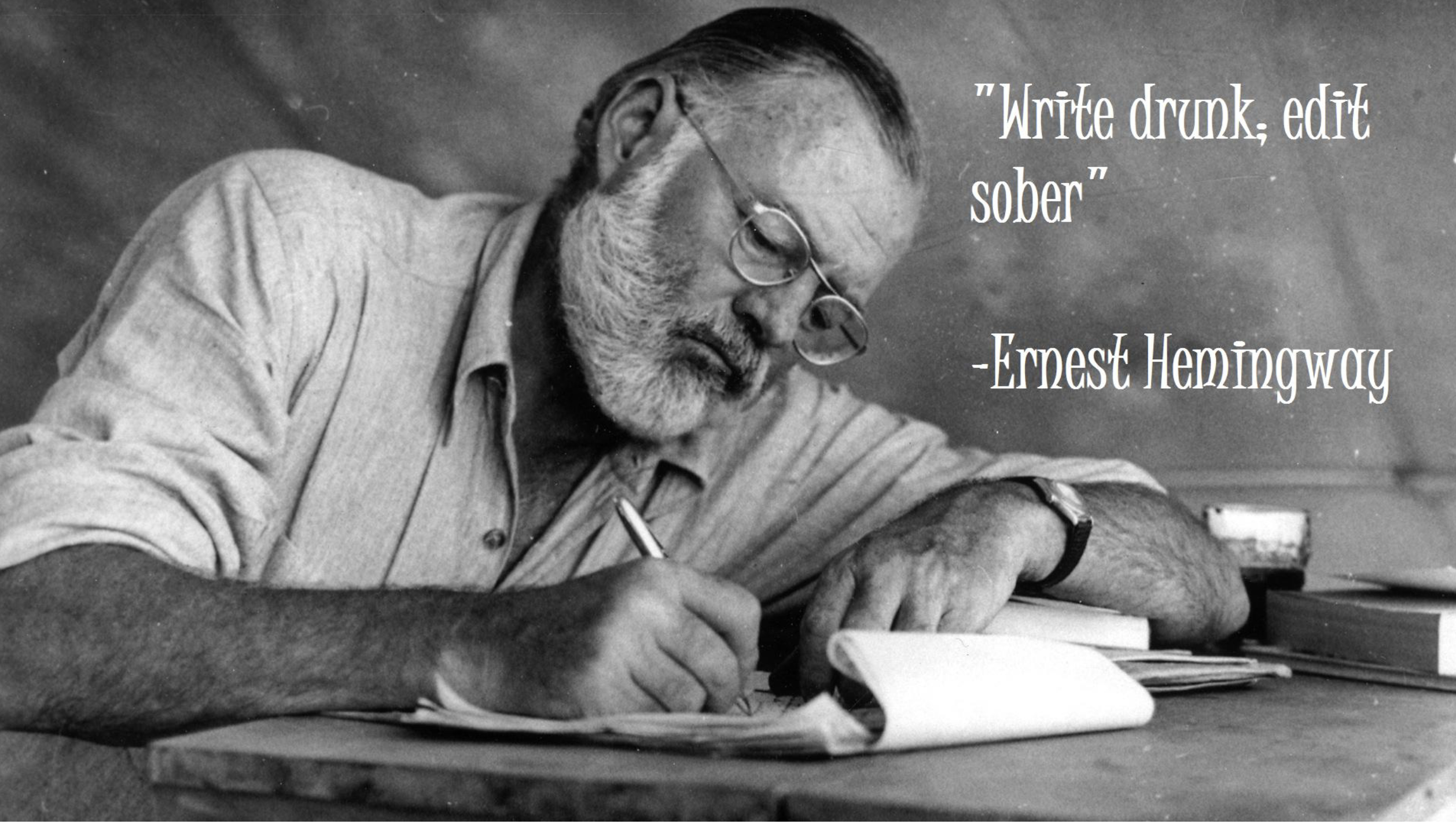
Many literary heavyweights started with short fiction and kept returning to it throughout their careers. Dickens, Hemingway, and P.G. Wodehouse all wrote stories between longer projects.
The novella The Old Man and the Sea won Hemingway the Pulitzer with just over 21,000 words. (If you haven’t read it, you should; it’s an example of perfect prose without a word being wasted.)
And let’s not forget the movie industry’s love for adapting short works. For example, Philip K. Dick and Stephen King have had dozens of films adapted from their shorter pieces. They are both superb examples of talented writers who pen a lot of short tales and are favourites of mine.
They’re fun, low-pressure, and creatively liberating
A short story is a creative playground. It’s small enough that you can take risks without the dread of wasting years of your finite existence if it doesn’t pan out. If it works, great — send it out, publish it, or expand it into something bigger. If it doesn’t, you’ve learned something new without a crushing time investment. Compare that to the gut-punch of a novel rejection, and it’s easy to see the appeal.
Final thoughts
Some writers see short stories as a distraction from their magnum opus. But with low risk, a wealth of creative benefits, and a potential audience already waiting, they can be one of the most rewarding parts of your writing life.
If you’ve penned a few tales, share your experiences. The modern short story scene is thriving, and it’s always fascinating to see how others are navigating it. And I should also add – good luck!
This story was originally published on my Substack. There is a lot more stuff there, if you enjoyed this. You can find this story here.