

















The Strange And Hopefully Fun Future Of AI NPCs – Is Gaming Getting Interactive?
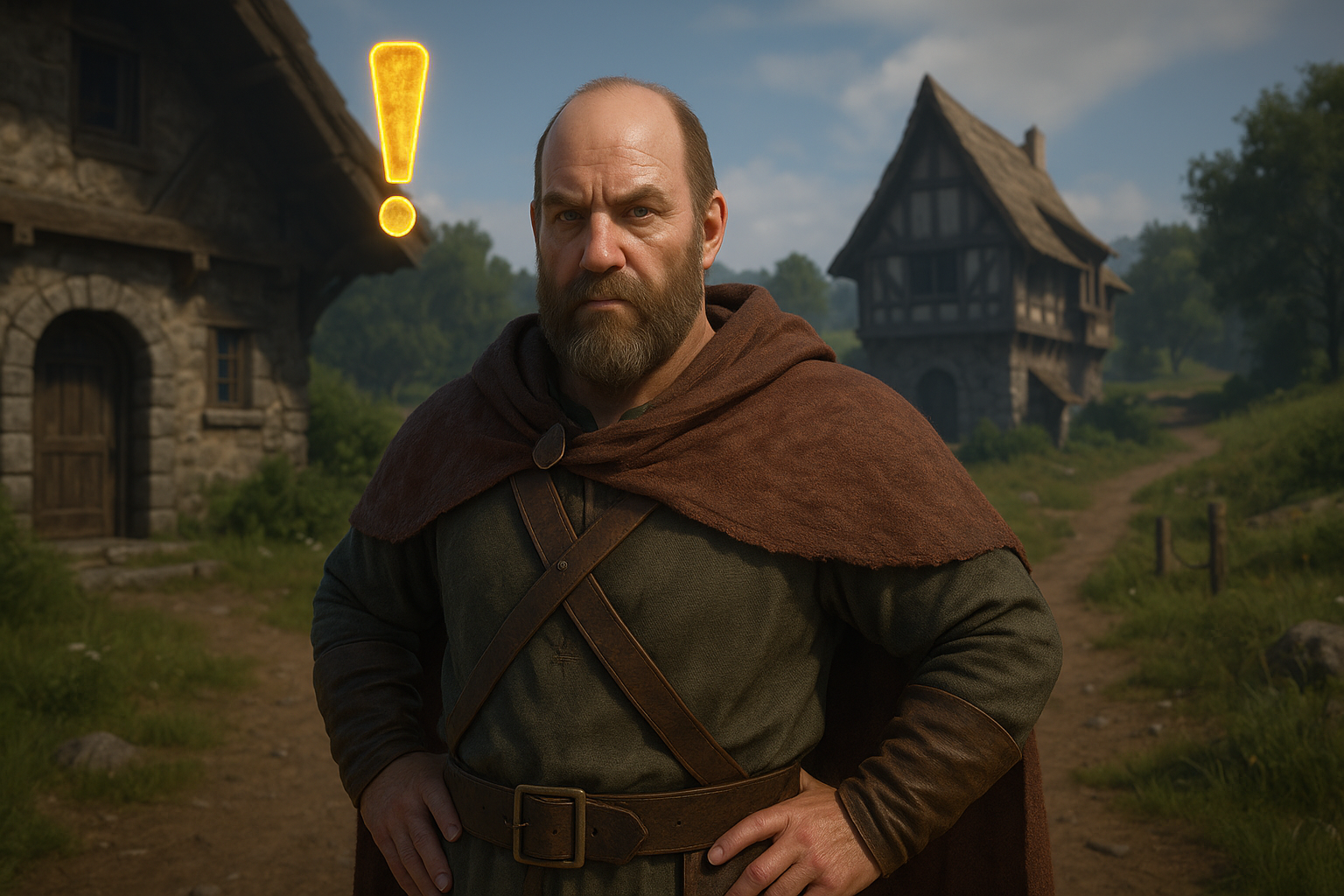
I love computer games and am cautiously optimistic about the upcoming inevitability of AI NPCs and AI stories. But there will be weirdness and ethical quandaries by pixel-load over the next few years.
The problem at the moment is that games are so ridiculously expensive, it has made the game industry a ludicrously toxic and competitive place. Grand Theft Auto 6 is obviously the poster child for expense, and will allegedly cost an impressive $2 billion to make (and market) by the time it comes out. (Check out this YouTube clip about it, if you want to learn more.)
There are some huge and highly polished games that cost a lot less – Clair Obscur: Expedition 33 and Hellblade: Senua’s Sacrifice leap to mind. (We’re still talking 10s of millions, though.)
The point is, it’s famously hard and expensive to make a game, and devs are going to turn to AI to help. The morality of using LLMs and AIs to write scripts and code, and also generate characters and voices, is massively up for debate. But sadly, AI use is inevitable. Will it lead to better working conditions? Maybe. (Probably not, but who knows?) Will it save money? Yes.
So I am opting to try and embrace it.
Gaming is about to change
For decades, video games have promised that we are the heroes of our own stories. Yet for all the breathtaking graphics and orchestral soundtracks, the worlds we get to play around in have always been bound by what their writers could script in advance.
Depending on the type of game, Non-playable characters – aka NPCs – hand out quests, repeat a few lines of dialogue, and wait patiently for the player to trigger the next scene. Or they are squad mates whose survival and actions depend on the script. Either way, their role is done when the script says so.
That boundary is beginning to blur. A new generation of artificial-intelligence tools is transforming the way games create, improvise, and tell their own stories. Instead of static dialogue trees, developers are experimenting with characters that can hold conversations, remember past encounters, and even surprise their creators. Worlds can essentially be co-written in real time.
Ubisoft, the studio behind Assassin’s Creed and Far Cry, (both series are great and recommended) has been testing AI systems that give NPCs the ability to respond dynamically to player questions and behaviour.
Nvidia has gone further, unveiling its “ACE” technology at CES 2025. The demo featured a “PUBG Ally,” an AI-driven squadmate in PlayerUnknown’s Battlegrounds who can follow orders, offer tactical advice, and converse naturally. Instead of relying on human teammates, you might find yourself strategising with a digital soldier who sounds less like a script and more like a fellow player. Which sounds great to me, as other players are often idiots.
They put out a video, but I am not sure how well this will work in reality, especially if everyone has one. Maybe it will be its own game mode.
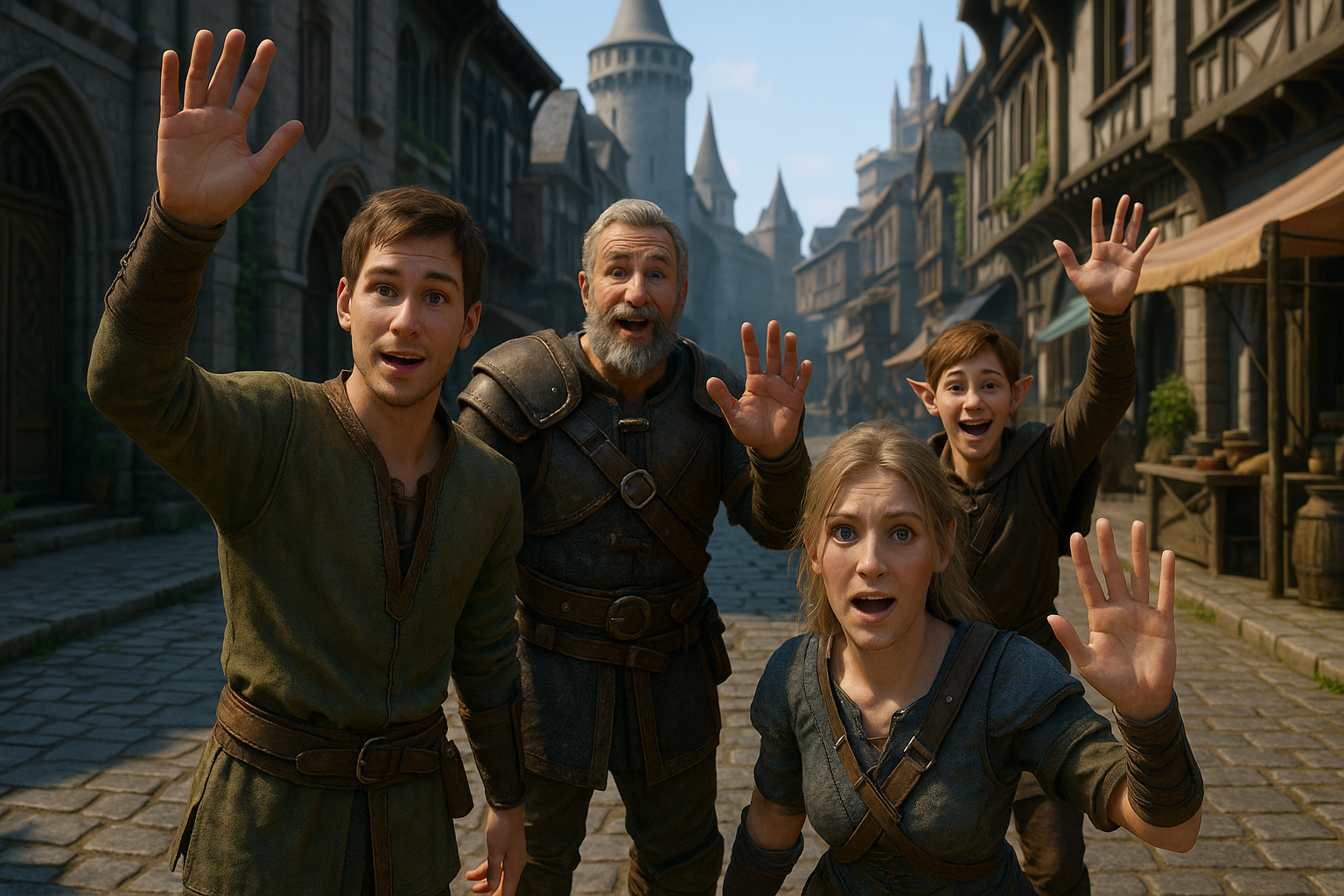
Smaller studios and independent developers are getting in on the action too, building prototypes where characters perceive their surroundings and develop personalities that evolve with each interaction. Researchers have begun calling these creations “co-playable characters,” designed not merely to populate the background but to serve as companions, rivals and even narrative leads.
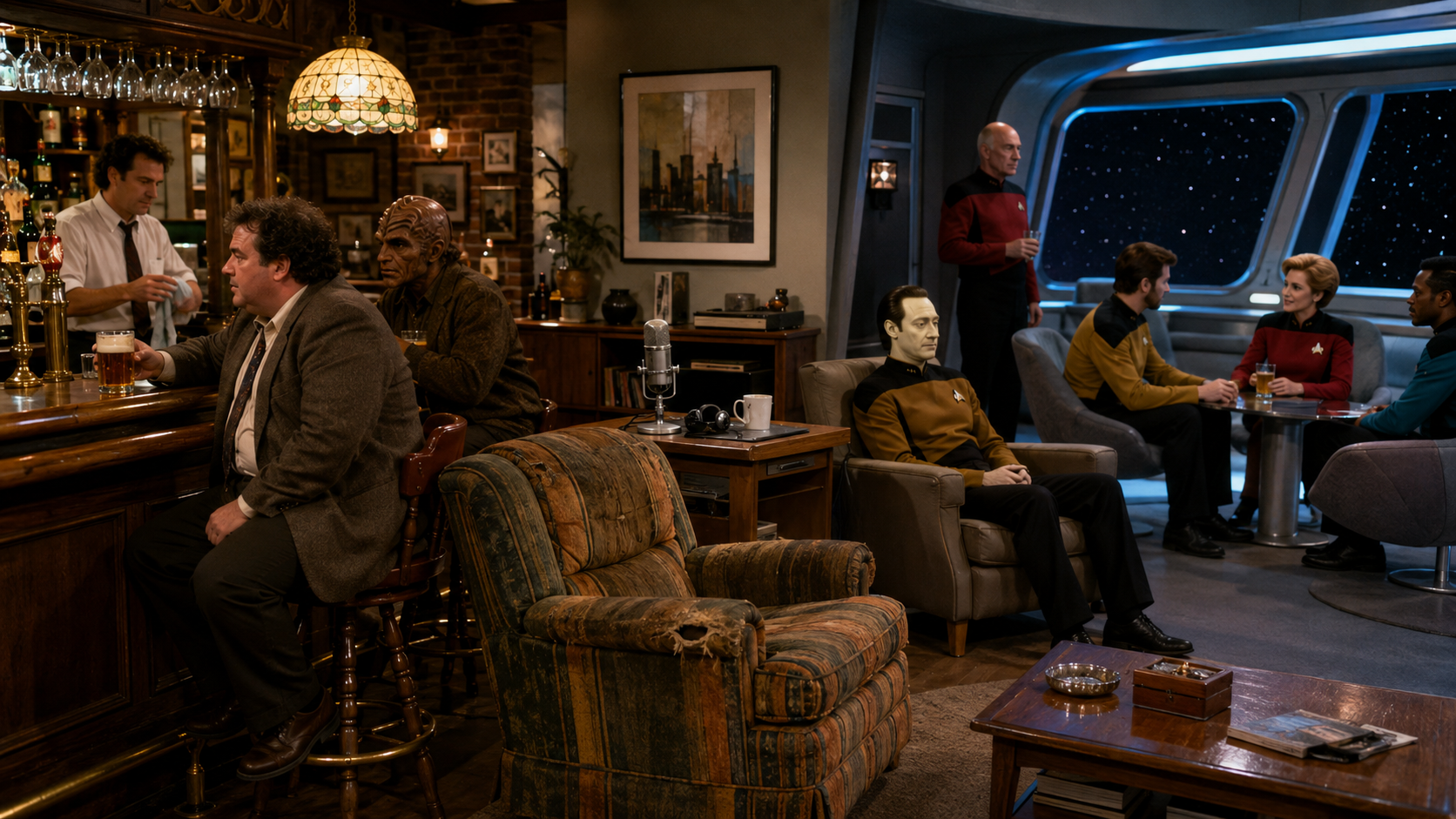
I’m imagining the holodeck from Star Trek when I think about the possibilities of AI NPCs. Someone can create a character, build their backstory and personality, while also giving them lines they have to deliver for plot purposes. The writer won’t have to write ten different ways to say something like, “I have no quests right now, you should try the guild”, or whatever they need to say. The writer can just instruct the AI NPC to provide alternatives. Maybe even have the NPC get annoyed.
I’m a writer, so I have lost work to AI, but I think there will still be jobs for creative people in the industry, and it may even be enjoyable. (Don’t get angry, I’m an optimist.)
AI NPCs might even be more fun
For storytellers and gamers, the implications could lead to a lot more fun and adventure. Companions now are often annoying or repetitive, or are just there purely to spout exposition. (Don’t even get me started on missions where you have to protect someone.) But now they could be a lot more like a proper companion. Someone you would actually like to hang out with and who would remember what you said.
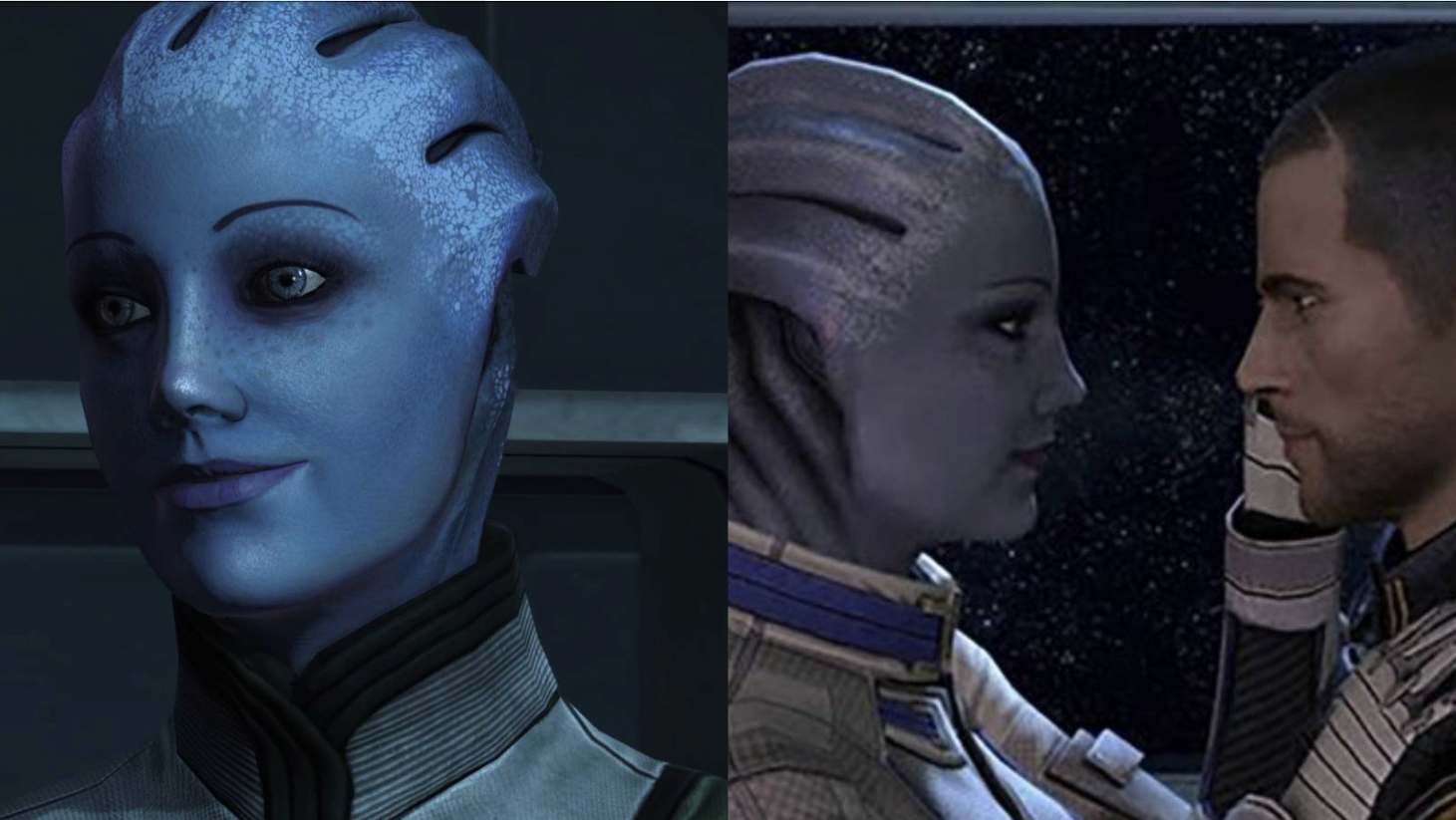
Mass Effect, BioWare’s much-loved science fiction series, leaps to mind, although it could just be because I have just finished the second game of the legendary edition. Some decisions, friendships, and romances carry over between games, and it really adds to the experience. Howevever, at other times, decisions don’t really affect much moving forward.
But it’s the general bonding between characters that makes you feel like you’re part of a crew, and it’s awesome. At present, those relationships are carefully written and, no matter how many branching dialogue options the writers create, every possible conversation is mapped in advance.
Now imagine those same crewmates powered by a large language model. Instead of picking lines from a menu, you simply talk. Garrus or Liara could react to your personality, remember your past decisions, and evolve in ways no human writer could fully predict. Each friendship (or rivalry) would be unique, a living narrative co-authored by player and machine. I suspect a lot of players would spend more time flirting with hot blue aliens than saving the galaxy, but whatever floats your boat.
AI will change other aspects of gaming as well
Procedural generation already offers an even wilder frontier. Games such as No Man’s Sky already build billions of planets algorithmically, but the novelty eventually repeats. (To be fair, they update that awesome game a lot.) However, marrying procedural world-building with generative AI could create alien cultures with distinct histories, languages and political dramas.
The possibilities extend beyond dialogue. Picture a role-playing game where the AI acts like a human dungeon master, shaping the story on the fly. Your reckless decision to rob a merchant might spark an unscripted war between factions; a single conversation could branch into a subplot the designers never anticipated. It is the dream of every tabletop gamer – a game that watches, listens and invents with you. Of course, it could also descend into something weirder, so expect a load of YouTube videos soon after.
There will be a lot of issues to sort out
Not everyone in the industry is up for this. There are legal and ethical issues still to be resolved. Who owns dialogue generated on the fly? What happens to the livelihoods of writers and voice actors if algorithms can spin endless scripts? Developers also wrestle with the technical challenge of keeping AI characters believable. Too much randomness and the illusion collapses; too much repetition and the novelty fades. Ubisoft has stressed that its AI experiments are meant to support, not replace, human creativity, but, well… we’ll see.
No matter what, the direction of travel is unmistakable. The “AI in games” of yesterday – clever path-finding or enemy difficulty that adjusts to your skill – feels quaint next to NPCs that negotiate, deceive and befriend. FPS enemies are about to get tricky.
Eventually, you may be working with the game’s AI to decide how things pan out. Although that does seem a bit like work. The possibilities are vast.
Wait and see
Change is coming. Some will be good and some will be bloody awful. I don’t think the gaming industry can continue in its current direction, becoming increasingly expensive just to create bigger, more graphically impressive games. The future will be dominated by indies and/or AI. Or maybe it won’t. I’m only human and could be wrong. It will be interesting though.
This post has a couple of affilate links.